Environment
Environment
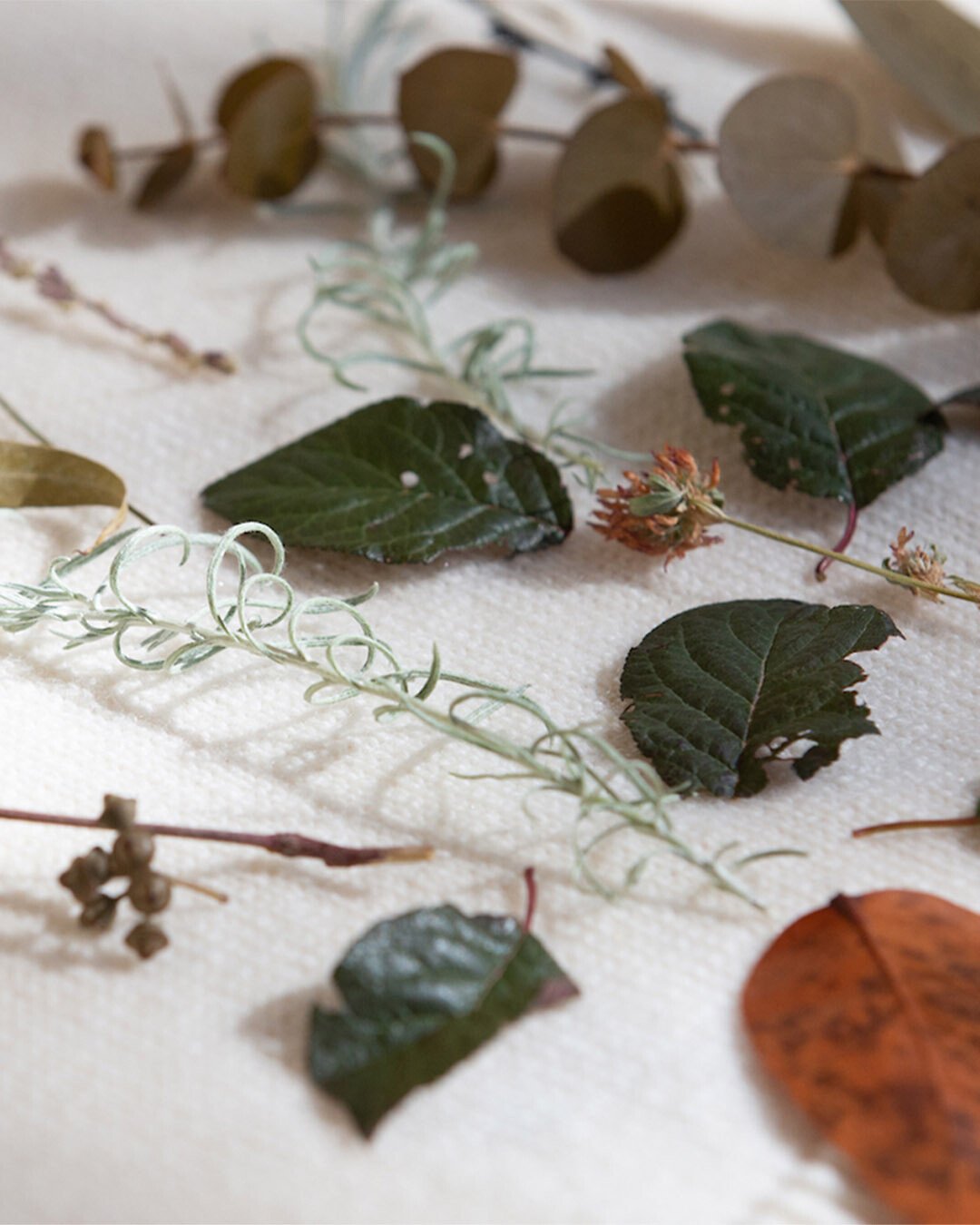
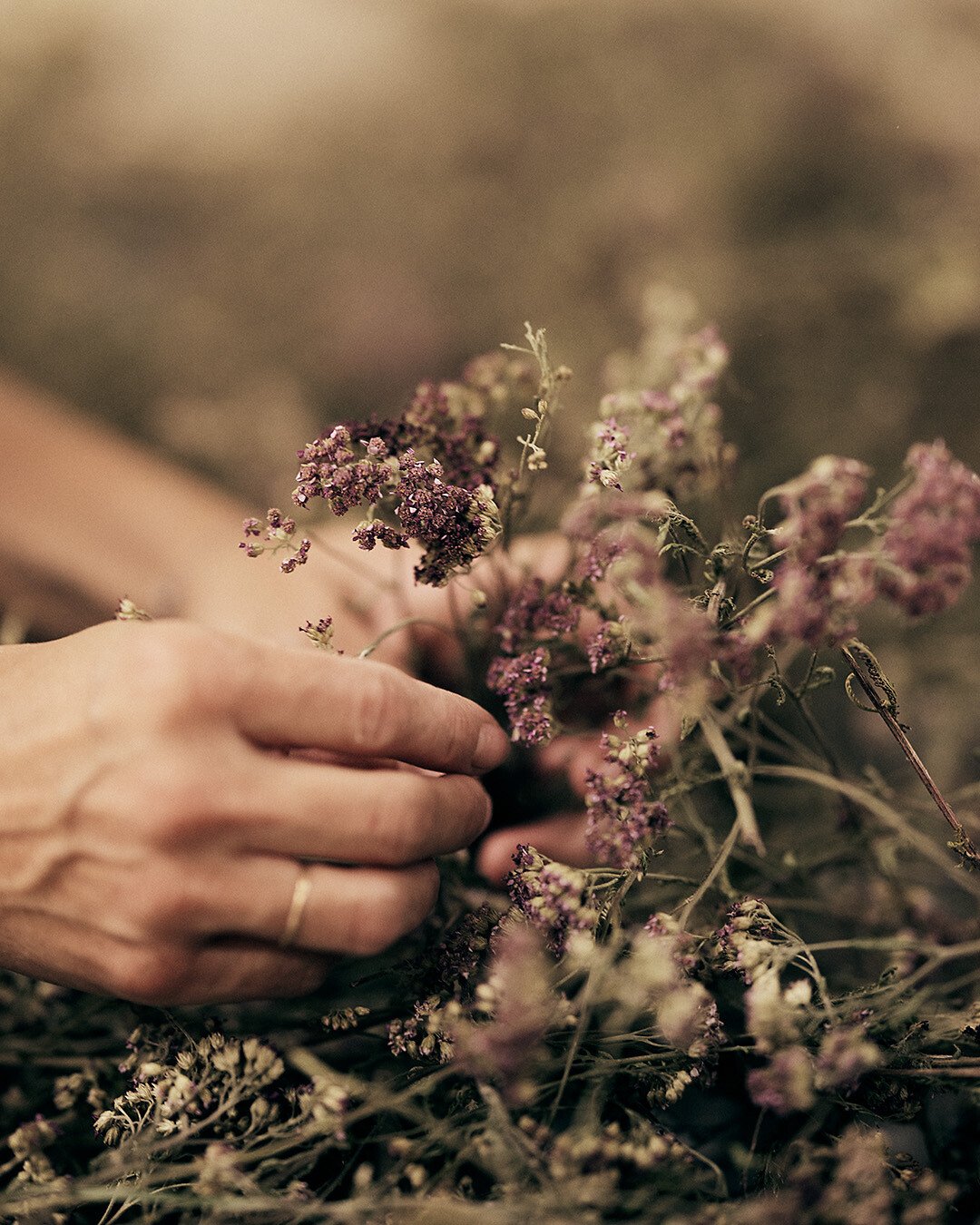
The love for nature has always been at the heart of Christian Dior’s, our founder’s, unwavering passions. He was constantly inspired by the beauty of gardens and flowers, and their captivating diversity. Nature is omnipresent in the names of his collections and the motifs of his haute couture dresses, acting as the most inspiring muse.
This nature, which shapes so much of our creations, is also the source of the exceptional materials that compose them. Without it, there would be no product of excellence or genuine emotion. It nourishes both our imagination and our savoir-faire. That is why we have a duty to preserve it and reinvent the ways in which we create.
Dior thus operates as a dynamic creative laboratory, open to the world and its challenges, and actively engages its teams in shaping a more sustainable and responsible vision of luxury.
Our Approach
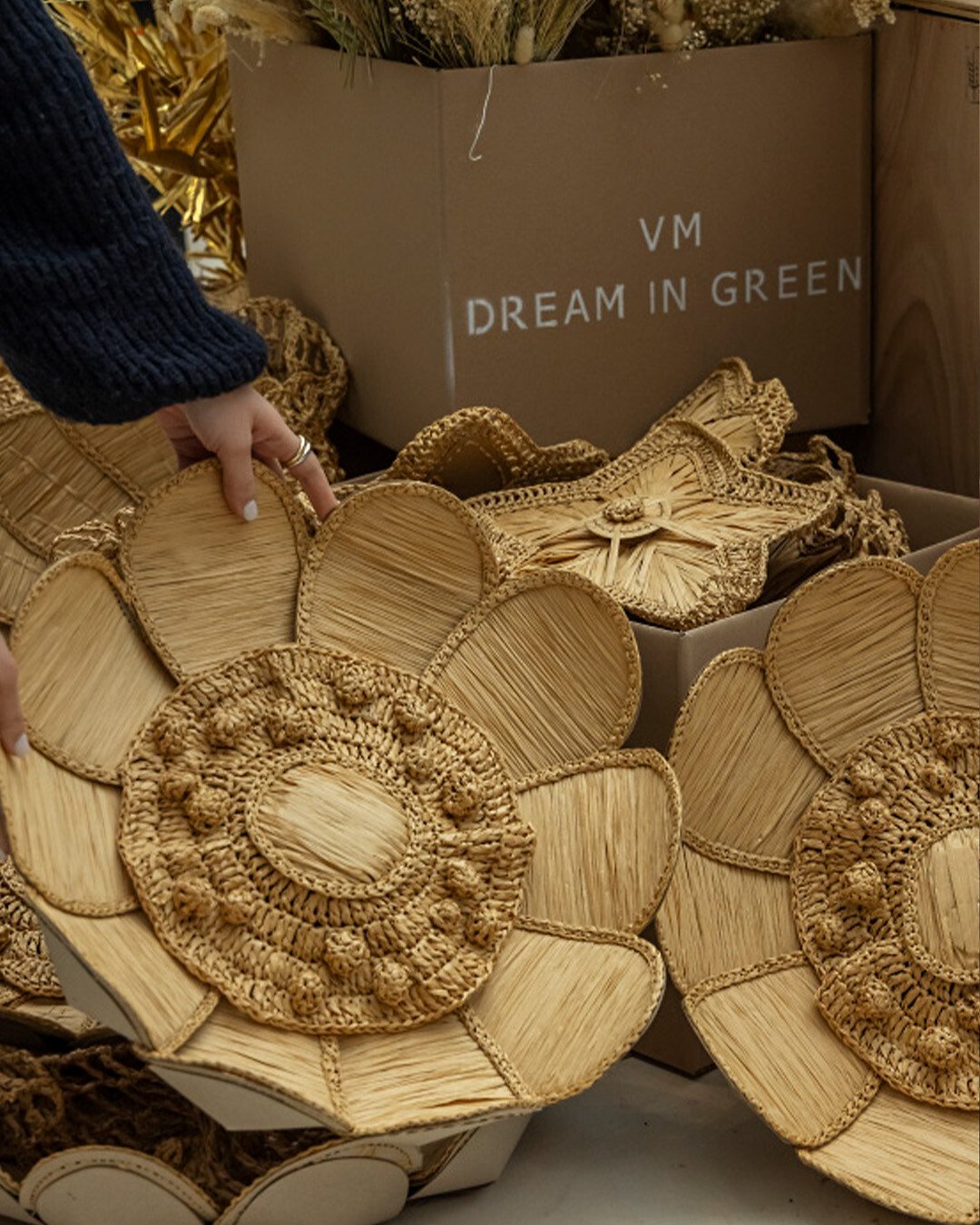
In an interdependent world with limited resources, Dior is more committed than ever to ensuring the preservation and continuation of this essential beauty. Driven by a spirit of excellence and continuous improvement, we mobilize structured resources and efforts to achieve this, through our strategy – Dream in Green. Our ambitions align with those of the LIFE360 program established by LVMH, which guides the environmental policies of the 75 Houses within the Group (further details on our environmental commitments available through this link).
This strategy is based on concrete, measurable objectives and a rigorous scientific approach. By implementing these actions on a daily basis, our House fosters a cooperative approach, both global and local – tailored to the environmental challenges of each area and country – involving all the métiers and actors of Dior worldwide.
The Dream in Green Committees bring together all the departments of the House, mobilizing the highest decision-making levels of each department. Regular follow-up is ensured within each entity, while the Dream in Green roadmap is reviewed quarterly with key members of the Executive Committee to measure and drive progress on environmental matters.
Our 4 Pillars of Commitment
1. Biodiversity and Preservation of Natural Resources
At Dior, the quality of our creations relies on exceptional raw materials. We are thus directly dependent on strategic raw materials such as:
leather
cotton
wool
viscose
silk
The first step of our commitment is to apply rigorous standards for traceability and sustainable sourcing. Certifications play a crucial role here in evaluating the practices of our partners and suppliers to ensure compliance with social and environmental standards.
In 2024, 97% of our leathers came from LWG (Leather Working Group) certified tanneries, 76% of our cotton was sourced from organic or recycled supply chains, 71% of our wool purchases were primarily certified organic or from the Responsible Wool Standard (RWS), 79% of our viscose was sourced from FSC (Forest Stewardship Council) certified wood, and 59% of our silk came from organic supply chains. Our goal by 2026 is to achieve 100% certified strategic raw materials (compared to 81% in 2024 across all these materials), in order to strengthen the sustainability and responsibility of our supply chain.
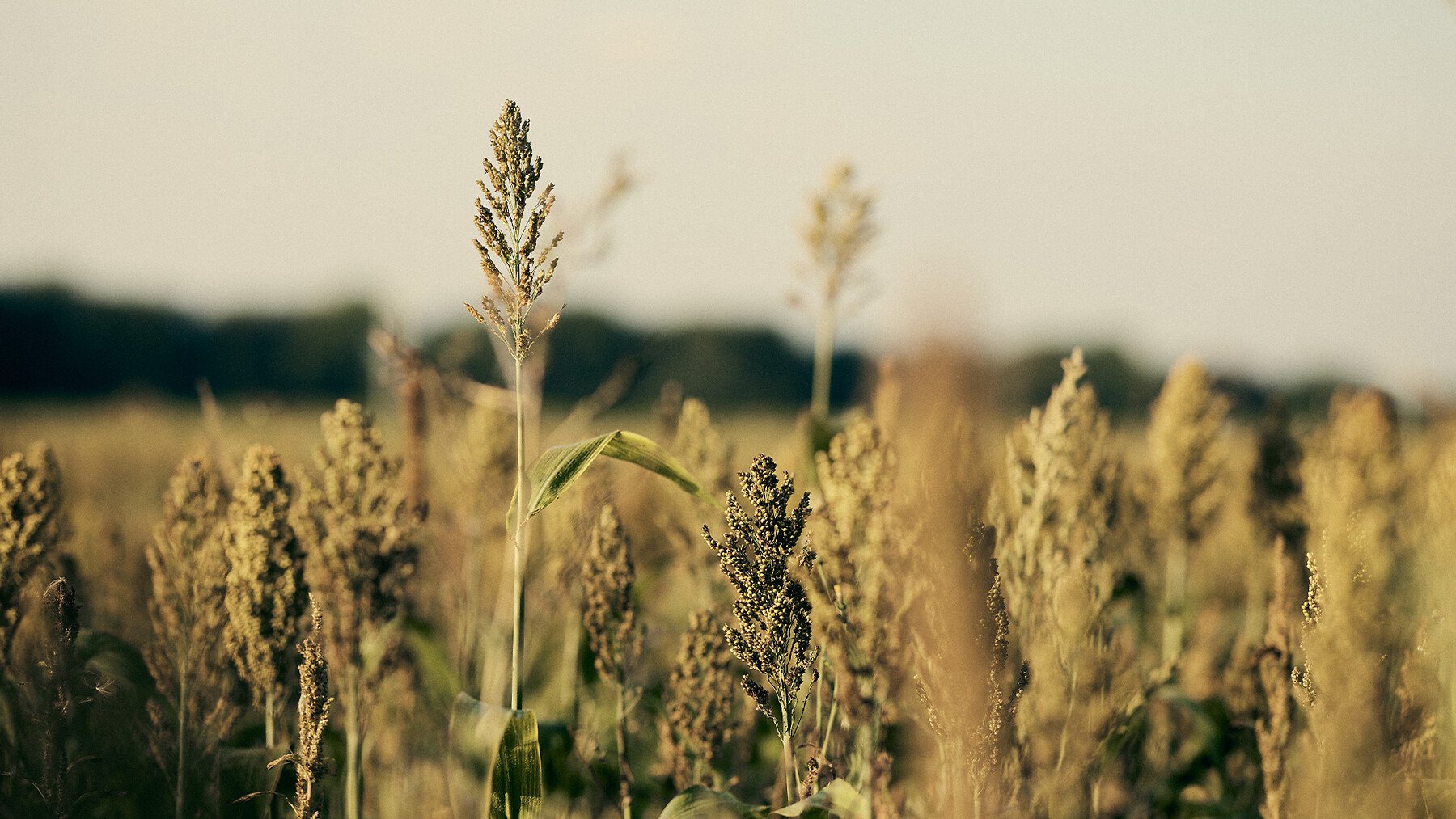
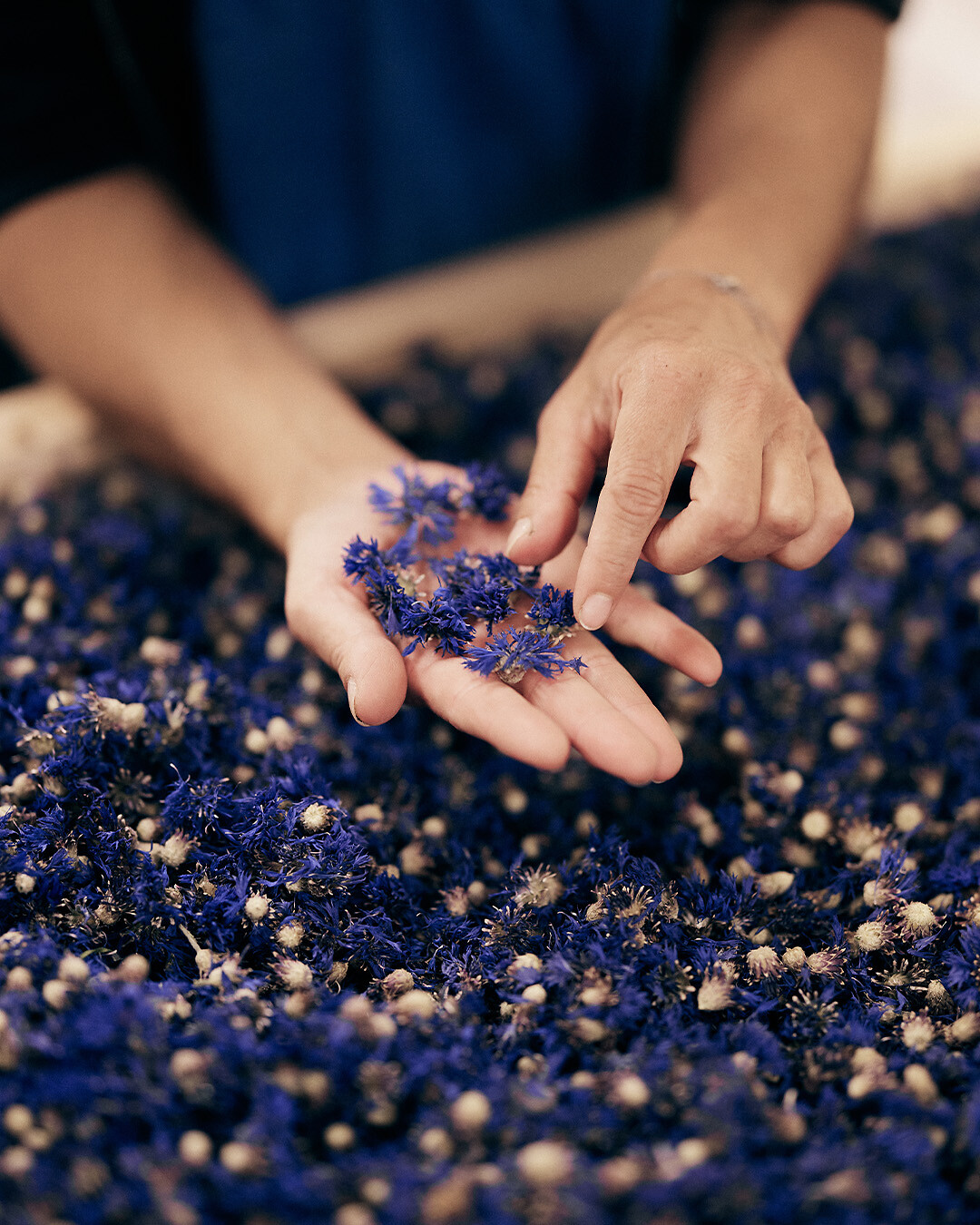
The second focus of this pillar is to develop regenerative agriculture projects across each of our strategic supply chains.
Dior has launched an ambitious action plan to identify, co-create, and develop regenerative agriculture projects in collaboration with committed local stakeholders. This approach aims to revitalize soils, restore ecosystem functions, and strengthen the socioeconomic stability of farming communities. Another key aspect of this approach is the preservation of water. Dior is working alongside partners to measure water footprints, reduce water withdrawals, and manage effluent.
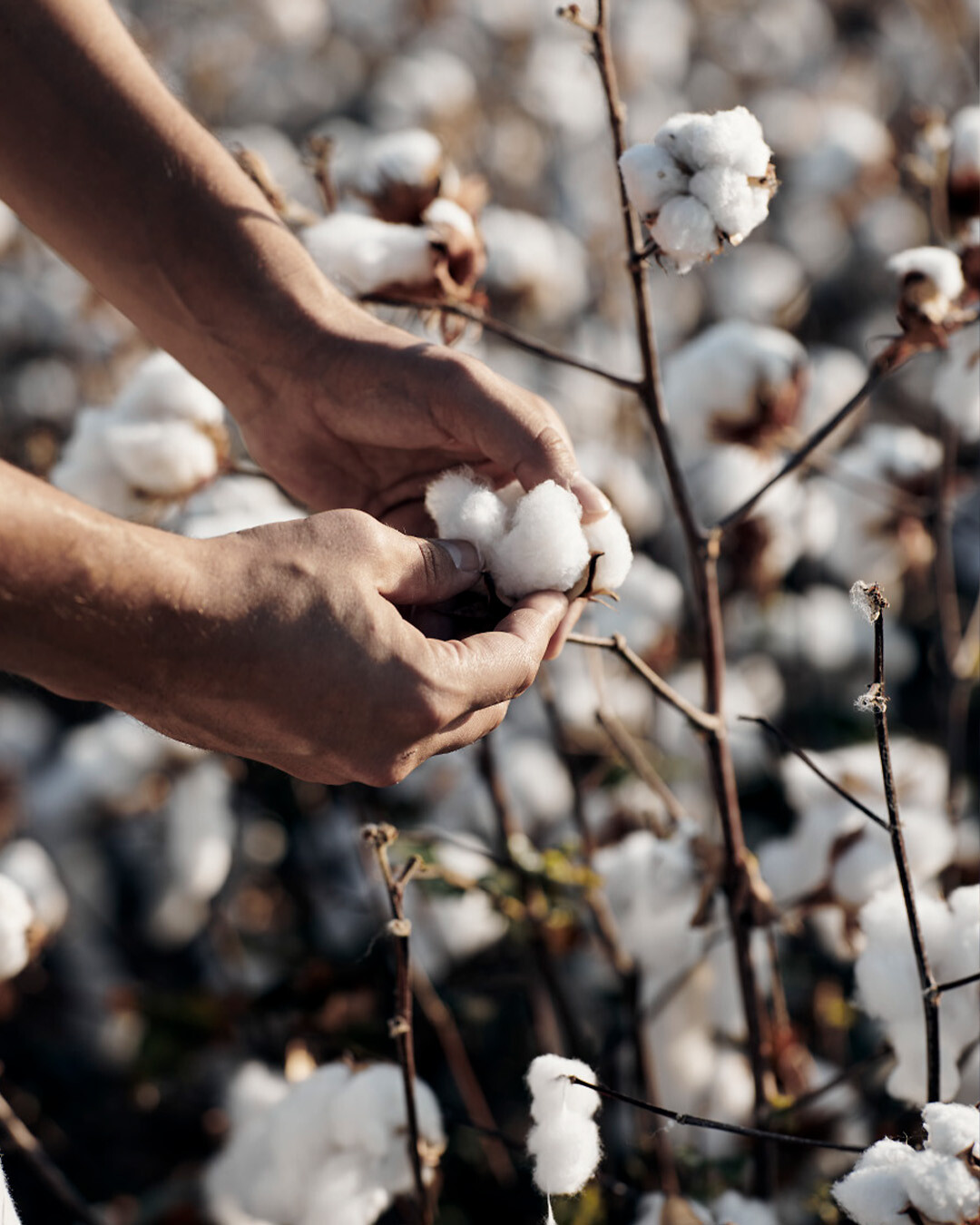
Some regenerative agriculture projects are already underway, notably for cotton in Spain and Turkey, where these materials are used for iconic pieces such as those from the Dior Denim permanent collection, launched in 2023, which is made entirely from regenerative cotton. This transformation also relies on the mobilization and training of creative teams and product development to adopt regenerative agriculture practices.
2. Reduction of Climate Impact
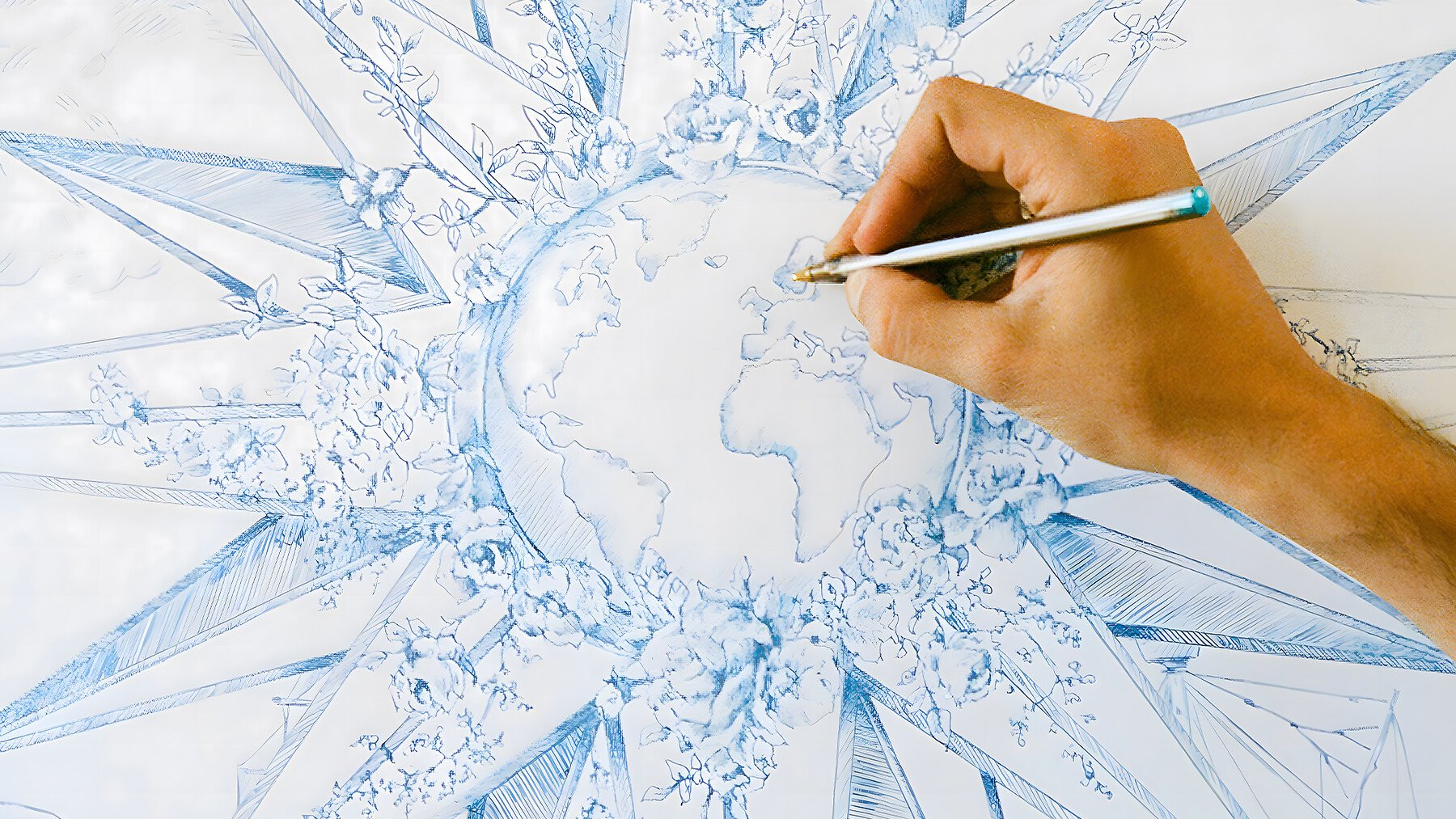
Dior is fully committed to the fight against climate change with the goal of reducing its greenhouse gas emissions across its entire value chain. The House is aligned with the carbon trajectory defined by the LVMH Group, validated by the Science Based Targets initiative (SBTi). A precise decarbonization plan has been established, incorporating all key activities at Dior, from the design of our creations, the sourcing of raw materials, to the production and distribution of our products.
In 2024, 82% of the energy used at our sites came from renewable sources. The construction of all our new workshops, warehouses, and boutiques now systematically follows an environmental certification standard such as LEED (Leadership in Energy and Environmental Design). Additionally, an energy efficiency program, particularly for our boutiques, has been implemented, including the installation of equipment and measurement tools aimed at reducing our energy consumption.
In parallel, a plan dedicated to reducing the carbon footprint of our various transport and logistics platforms has been rolled out. This includes the gradual shift towards maritime transport for our permanent products, the introduction of low-impact logistical solutions for the last mile (electric vehicles), as well as continuous efforts to optimize parcel packing density.
3. Creative Circularity
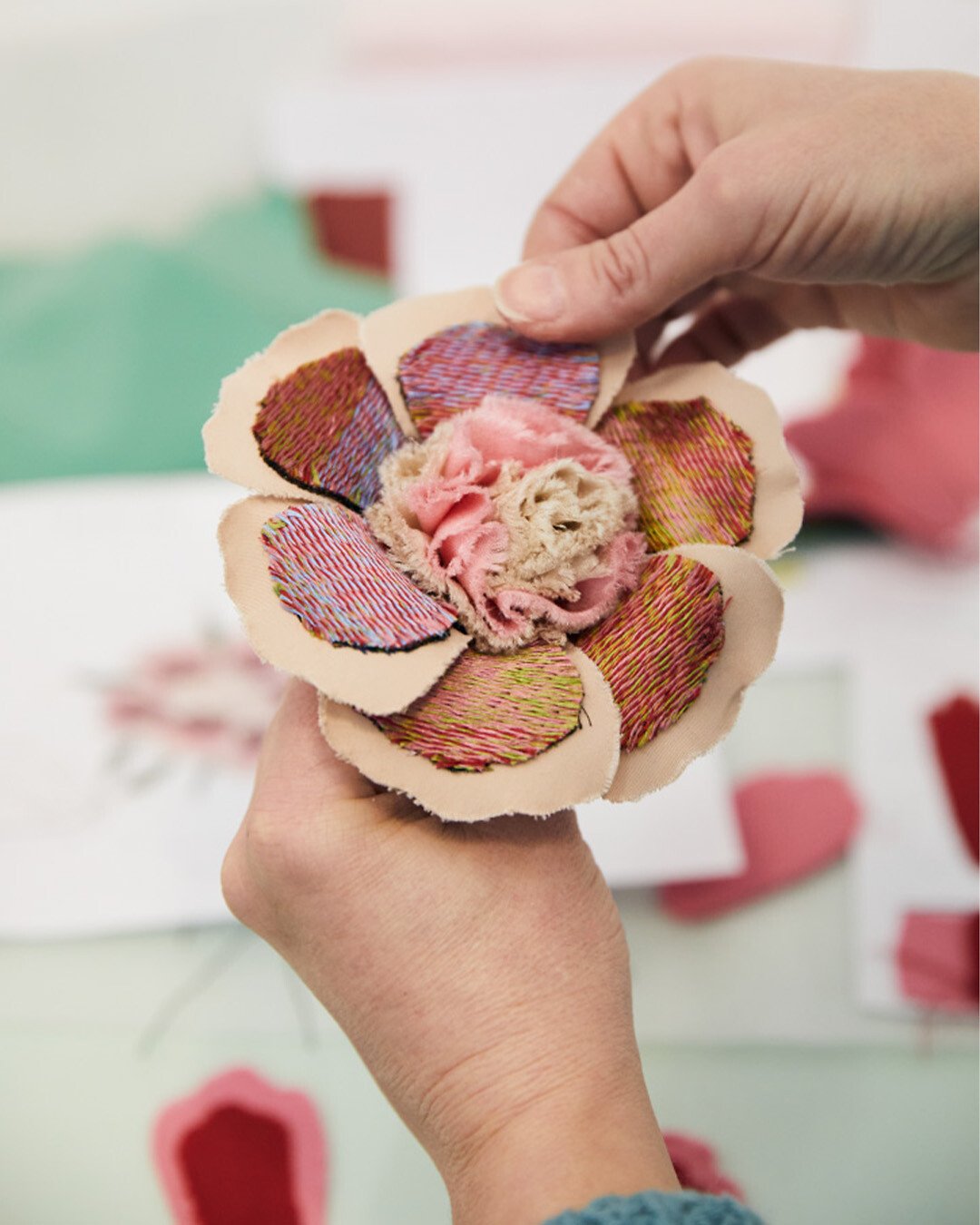
At Dior, every creation is designed to last, crafted with exceptional savoir-faire and a commitment to quality that allows pieces to stand the test of time. This vision is embodied in a creative circularity approach, deployed across the House’s key product categories: footwear, leather goods, ready-to-wear, packaging, and even visual merchandising.
We intervene at every stage of the life cycle of our products: eco-design of packaging which consists of using recycled materials, reuse of materials in our creations, and the development of innovations for high-quality textile recycling.
Among the flagship initiatives, Dior collaborates with Weturn, a textile recycling specialist, to transform unused materials into new, high-quality yarns. The denim produced through this initiative was notably incorporated into the Dior Archives Labels collection. This circular approach also extends to the world of window displays. In 2023, the Visual Merchandising teams imagined a magical universe using unused stock to celebrate the first anniversary of the reinvented 30 Montaigne store. This display was later reused in numerous boutiques. The same logic of reuse and recycling applied to window displays is also extended to runway set designs, thanks to meticulous monitoring and dedicated teams. Our goal by 2026: 100% of runway sets will be reused, donated, or recycled.
Finally, Dior is committed to extending the life of its creations through repair workshops located in various regions around the world. Established over twenty-five years ago, the Dior Care service reflects this commitment to sustainability, deeply integrated into the heart of the product.
4. Commitment of Employees and Partners
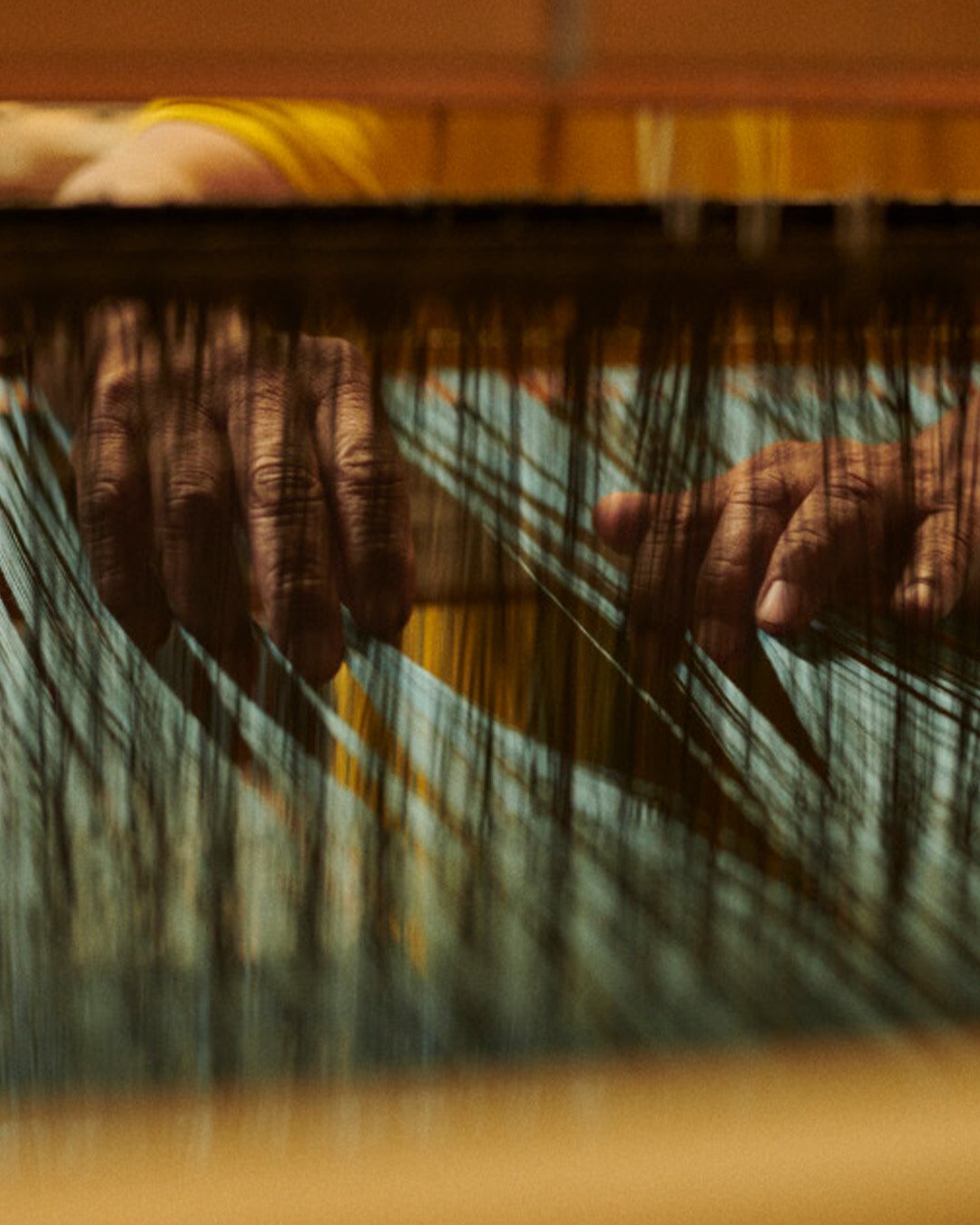
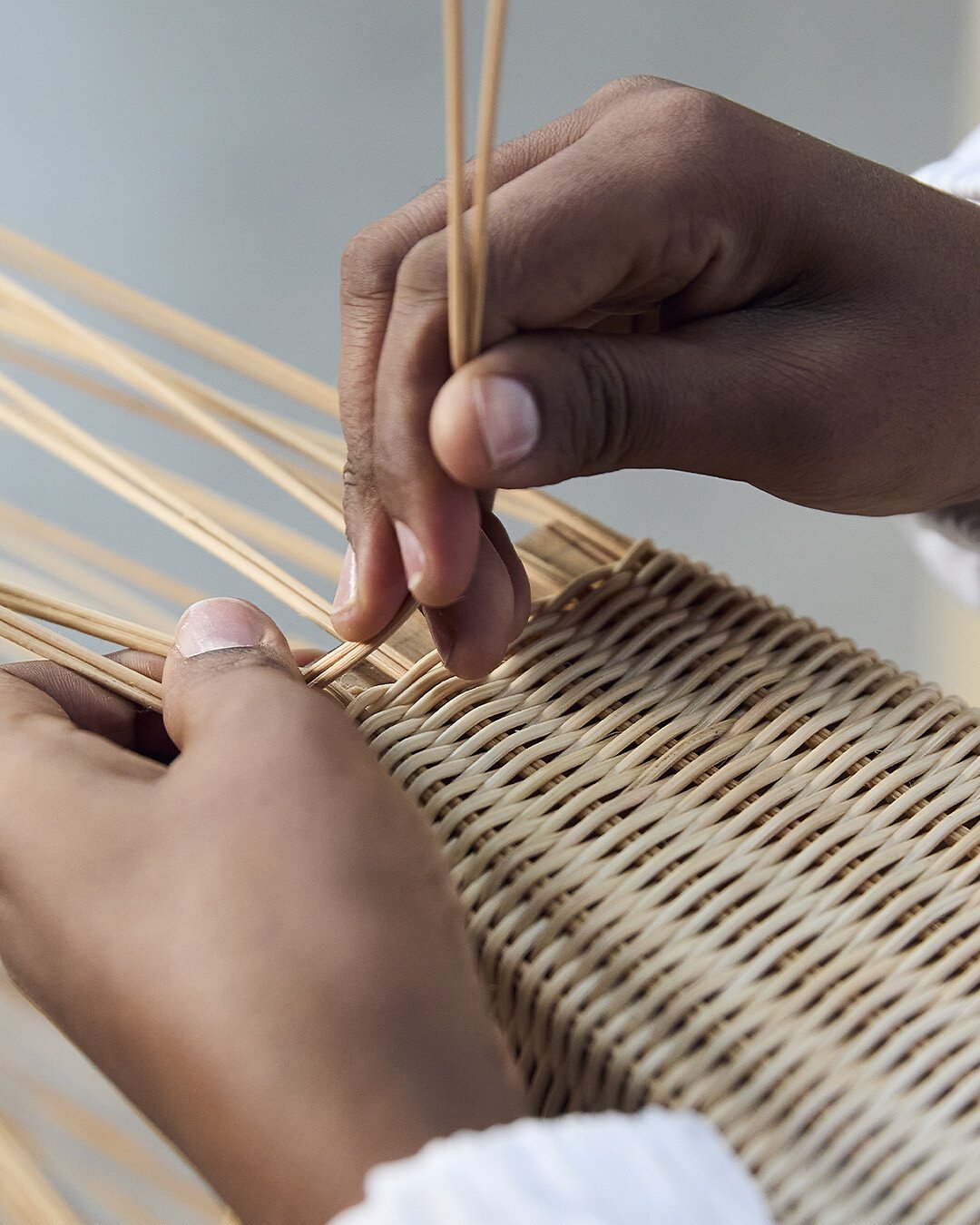
At Dior, environmental transition is a shared ambition at every level of the company. From suppliers to artisans, and including our internal teams, the entire value chain is engaged. We provide each of our employees with the opportunity to fully participate and lead projects on their own scale, within a collective spirit that is true to the House’s heritage, deeply connected to nature and excellence.
Our goal is clear: to train all of our employees on environmental issues by 2026.
E-learning modules are available to everyone, and we are developing customized programs: training on sustainable materials for our style and product development teams, immersive experiences around regenerative agriculture, eco-design training for our events teams, and the rollout of the Climate Fresk for employees at our headquarters.
Concrete initiatives further strengthen this momentum, such as Earth Days, which bring together Dior teams worldwide, including in boutiques, and internal competitions like the Dream for Climate contest, which showcases innovative ideas from employees to reduce our carbon footprint.
Finally, this mobilization extends to our partners as well. We maintain ongoing dialogue with our suppliers to support them in their own environmental transition, ensuring that our entire ecosystem is aligned with a responsible, innovative, and ambitious approach.
Responsible Supply Chain