Summer 2026 Show
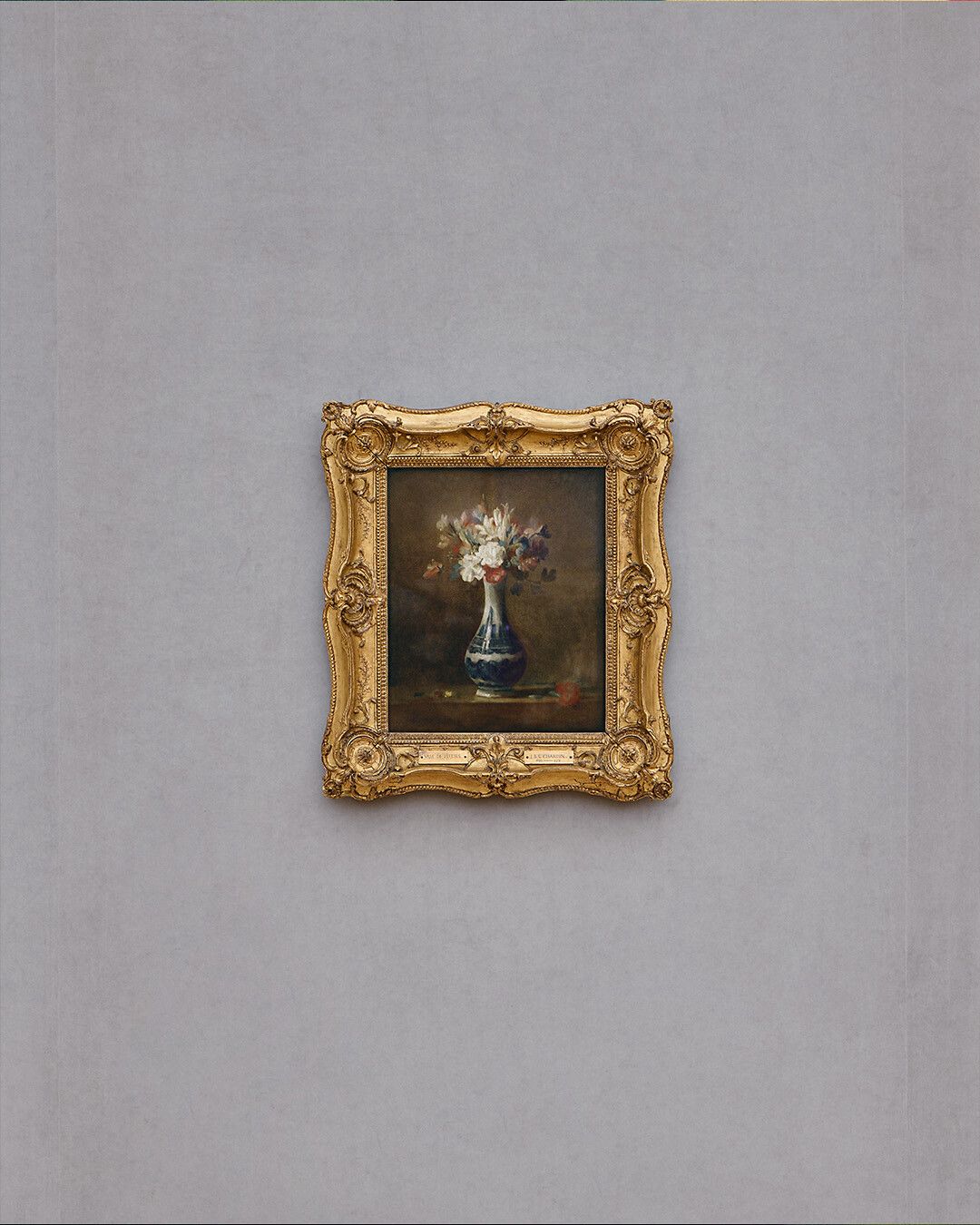
© Jean-Baptiste Siméon Chardin, A Vase of Flowers (1750/60), National Galleries of Scotland
© Jean-Baptiste Siméon Chardin, Basket of Strawberries (1761), Paris, Musée du Louvre, Département des Peintures
Stretching the horizon: a play on history and affluence, decoding the language of the House in order to recode it.
Dior is part of the collective imagination. It is embedded in culture and popular culture. Initiating the recoding according to the view of Creative Director Jonathan Anderson – inside a room modeled on the velvet-lined interiors of Berlin’s Gemäldegalerie – is a programmatic act that speaks a language of understatement and poise. On the walls hang two modest yet beautiful paintings by Jean Siméon Chardin (1699-1779). At a time when art was often concerned with excess and spectacle, Chardin revered the everyday, trading grandeur for sincerity and empathy. A museum is a public space where conversations happen and history becomes part of the everyday. Museum rooms, occasionally, also host breathless, liberating and joyful runs amidst masterpieces.
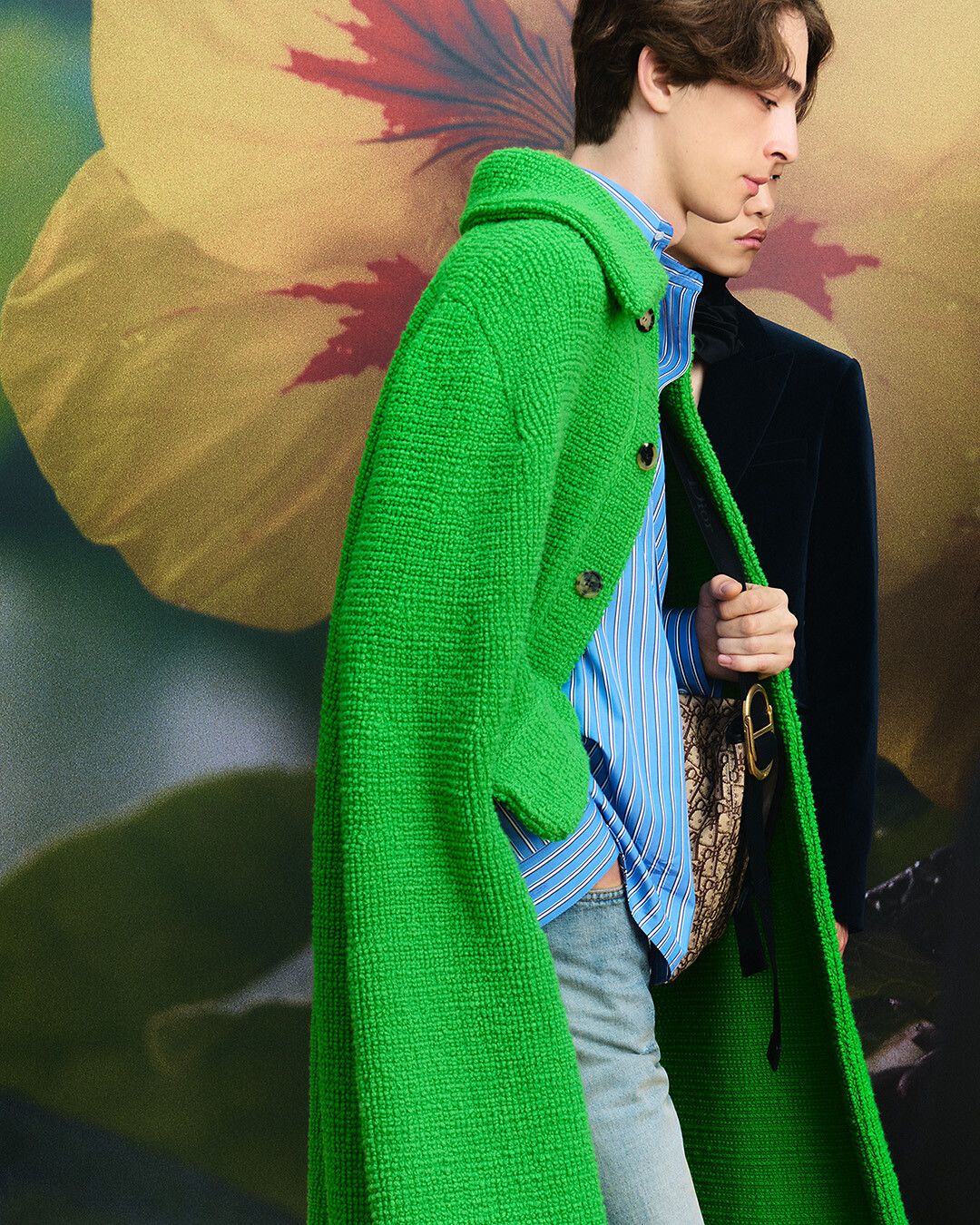
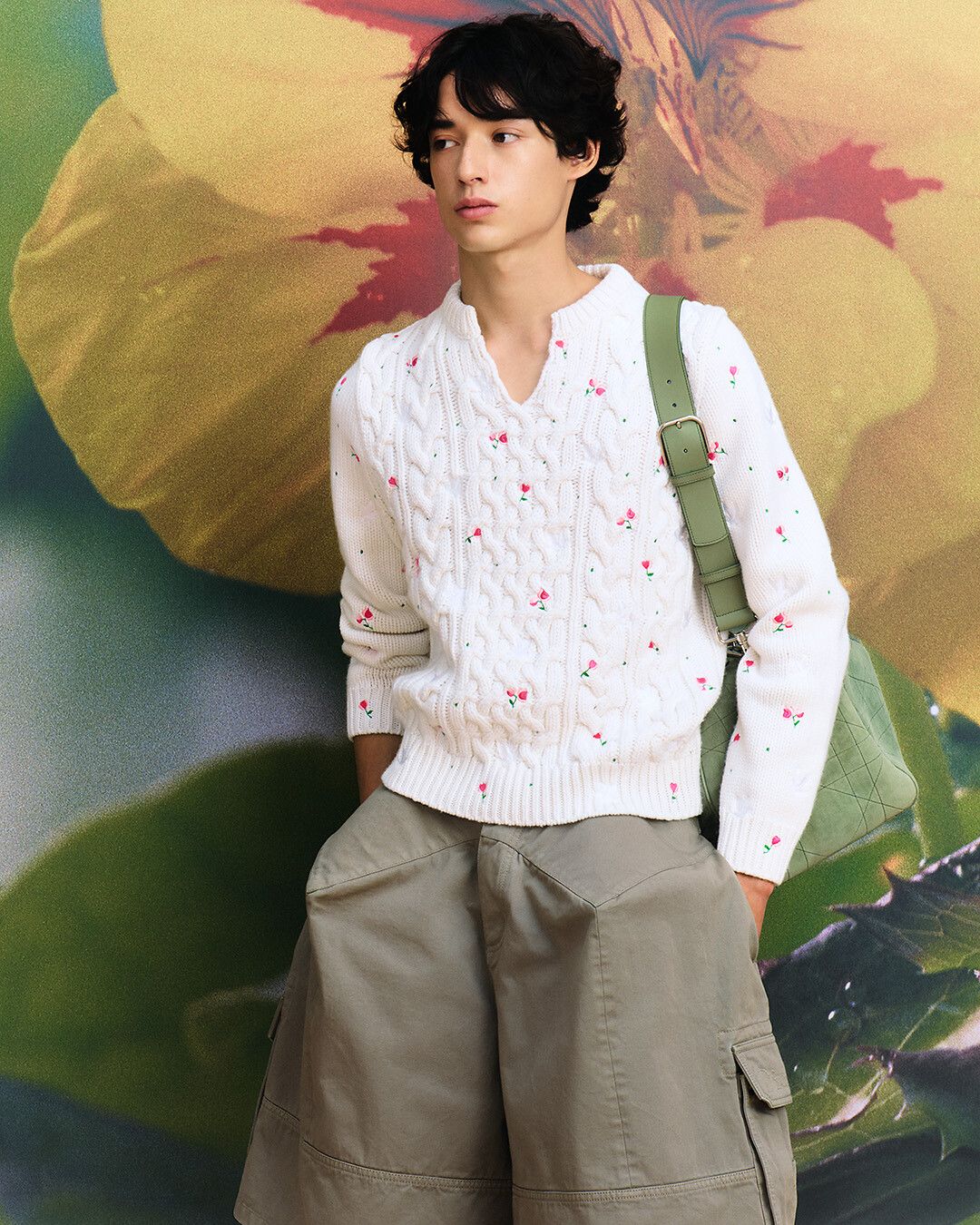
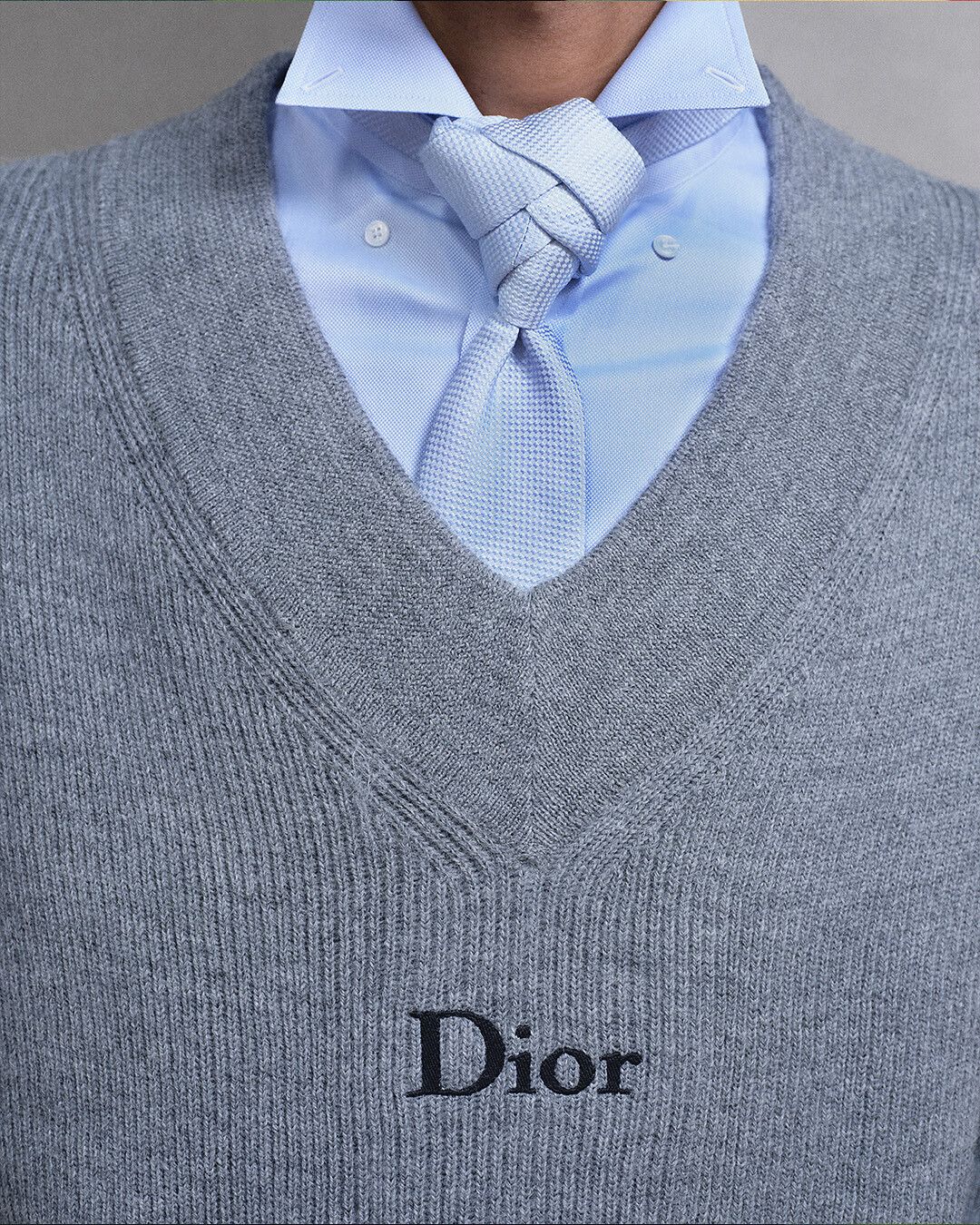
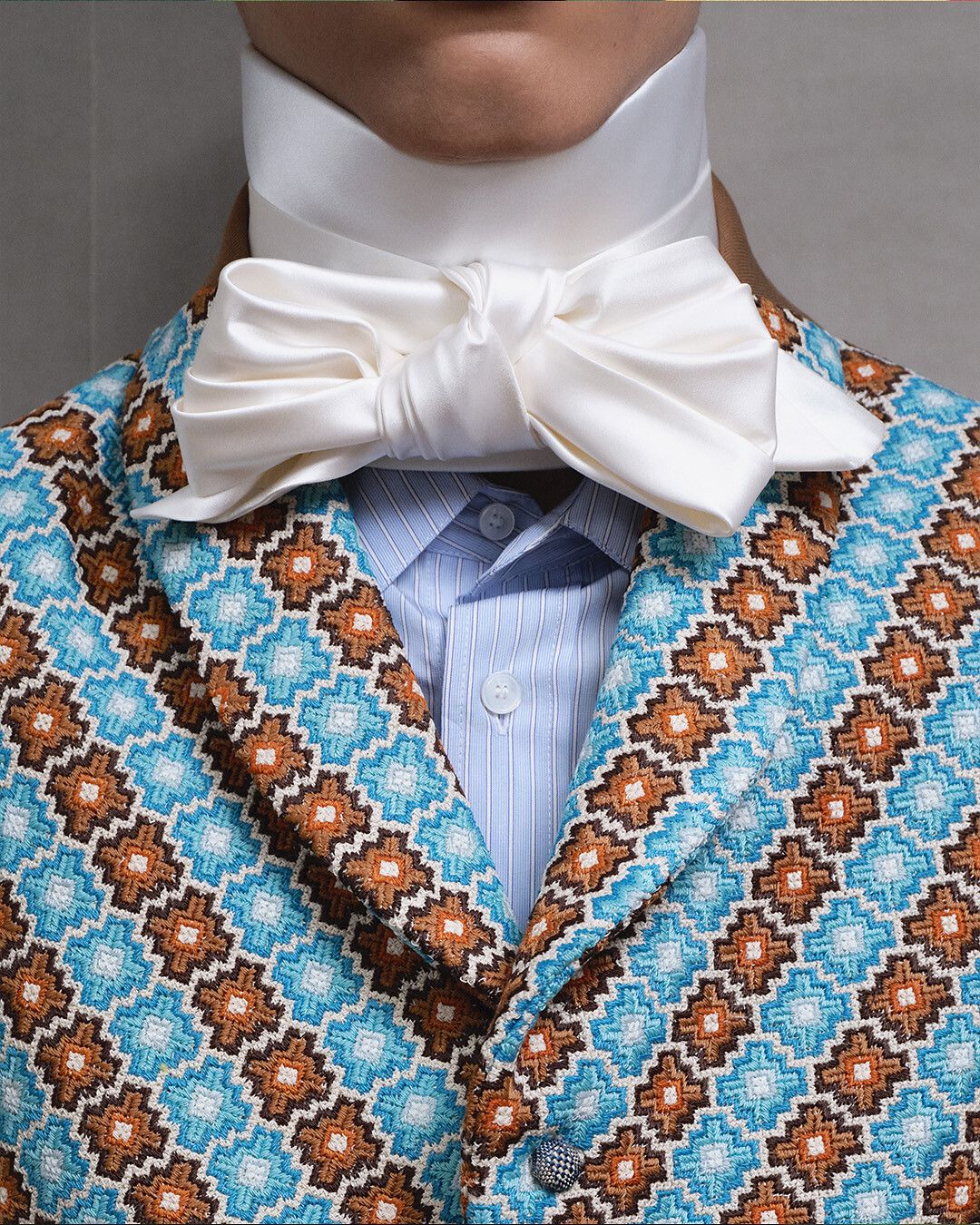
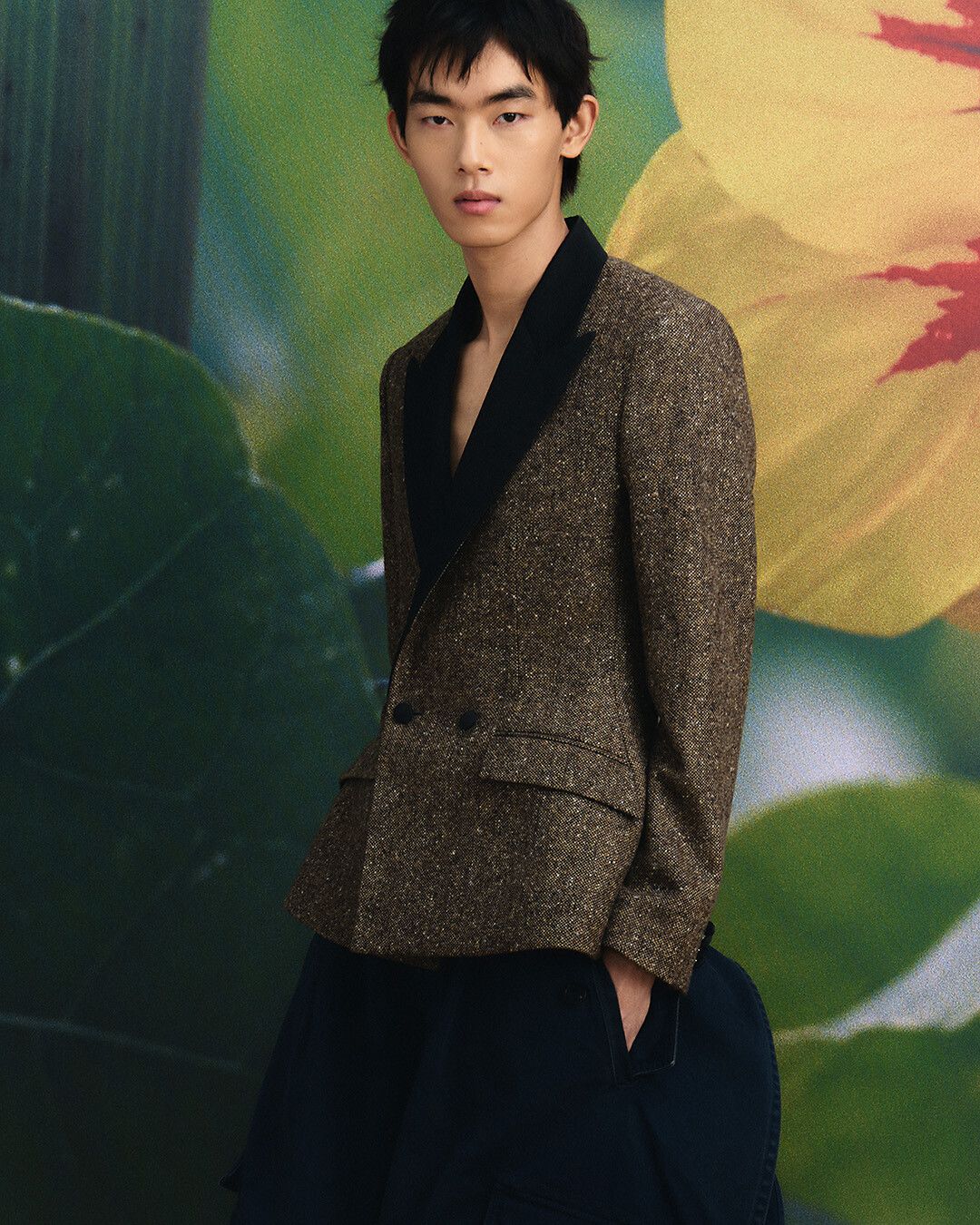
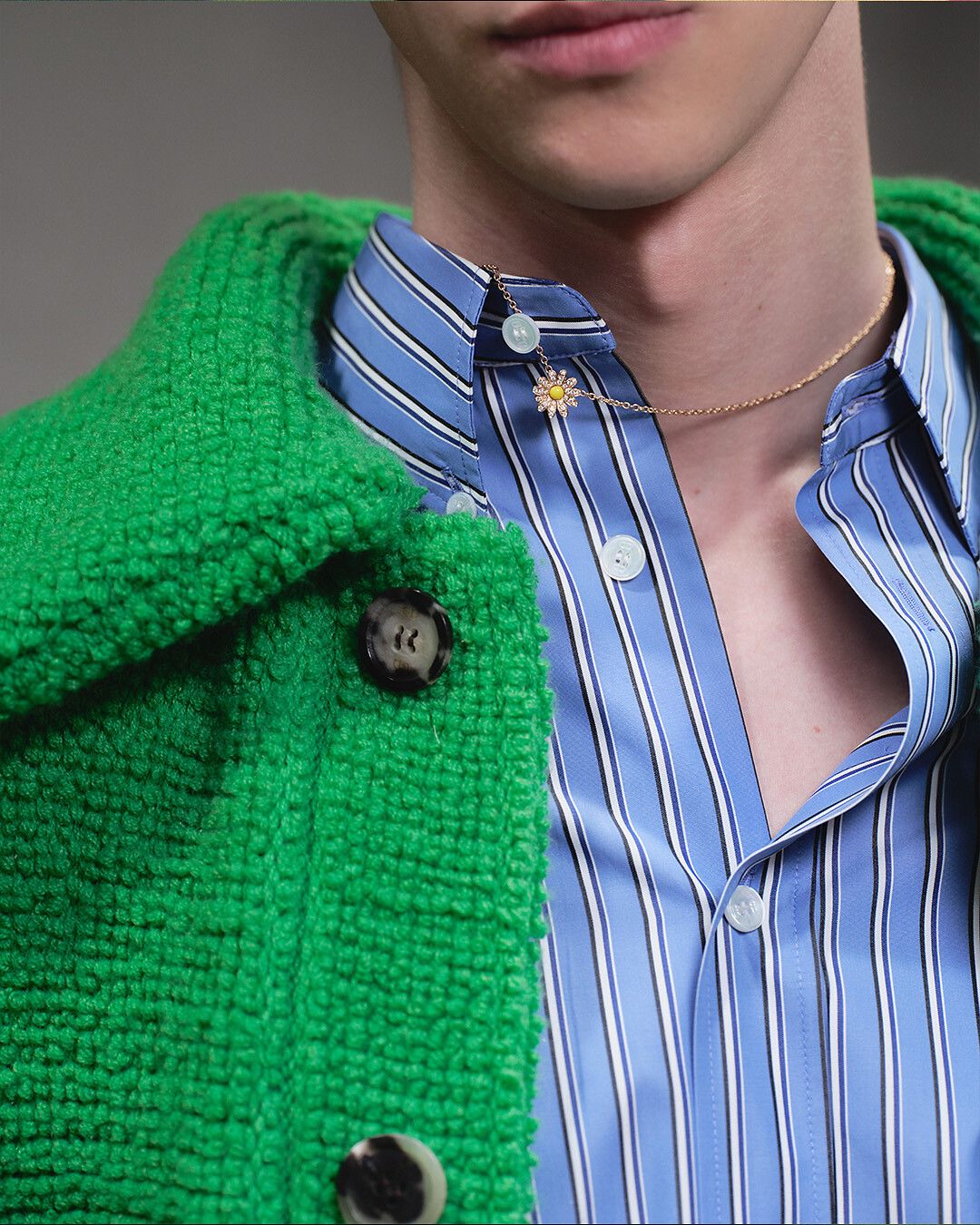
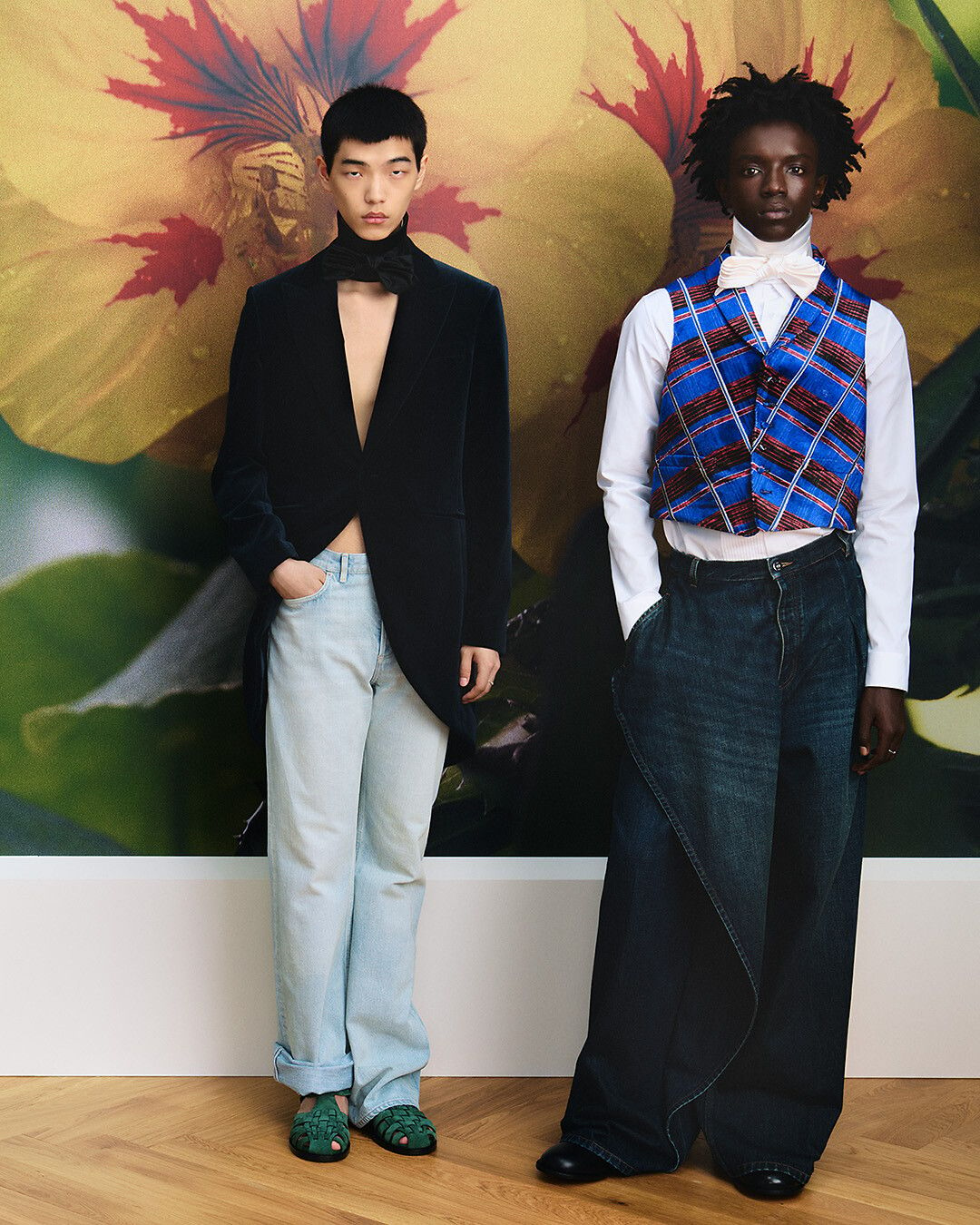
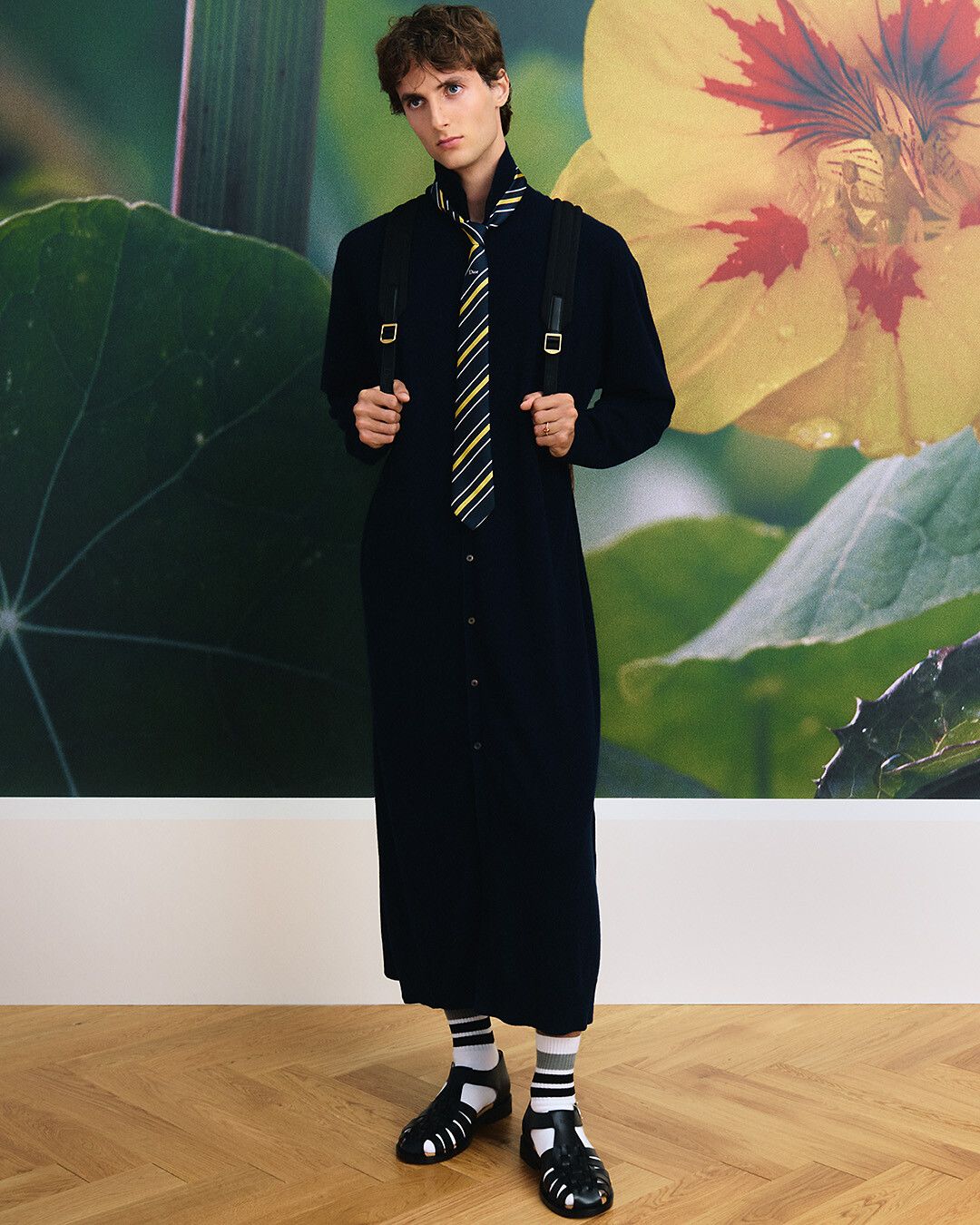
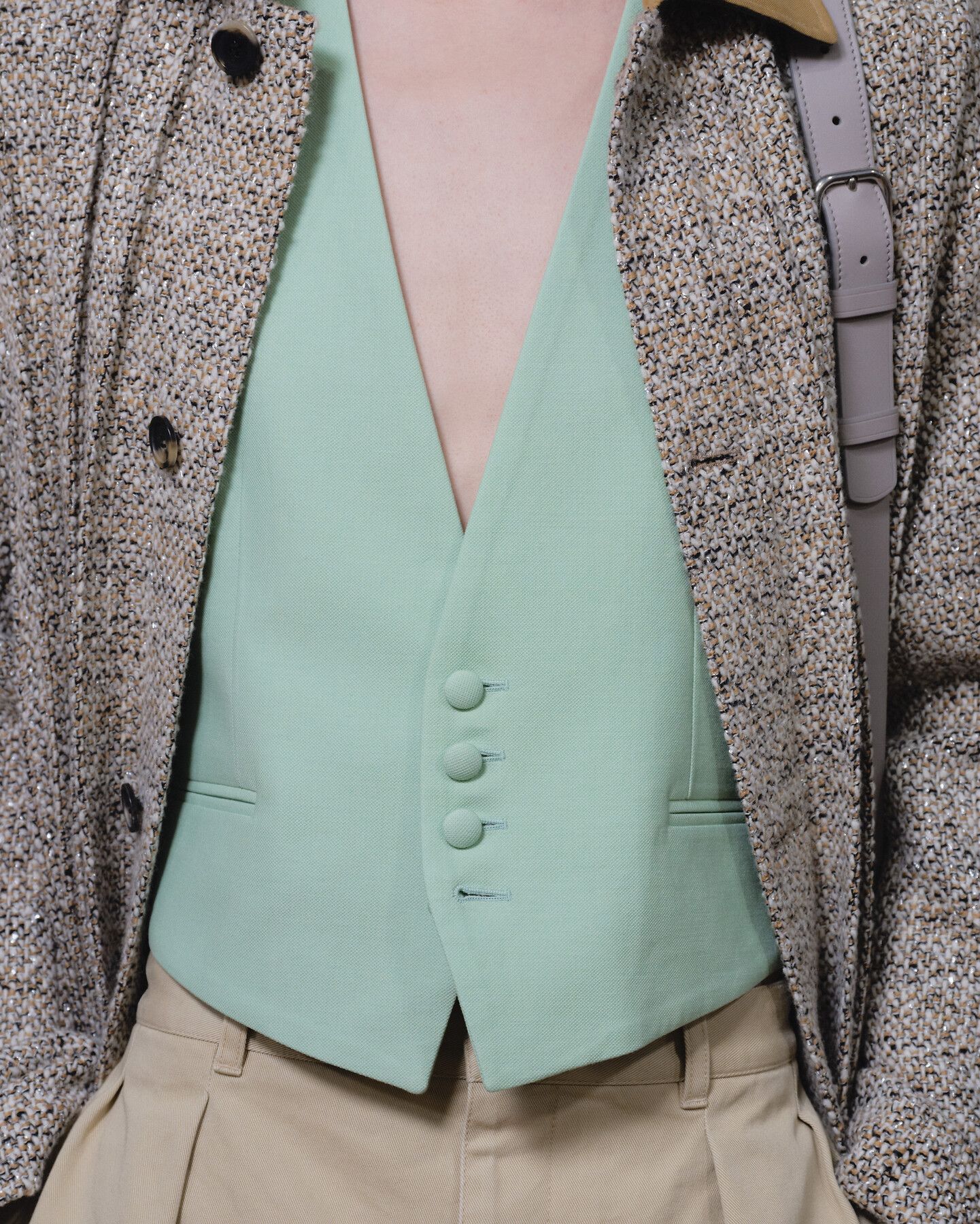
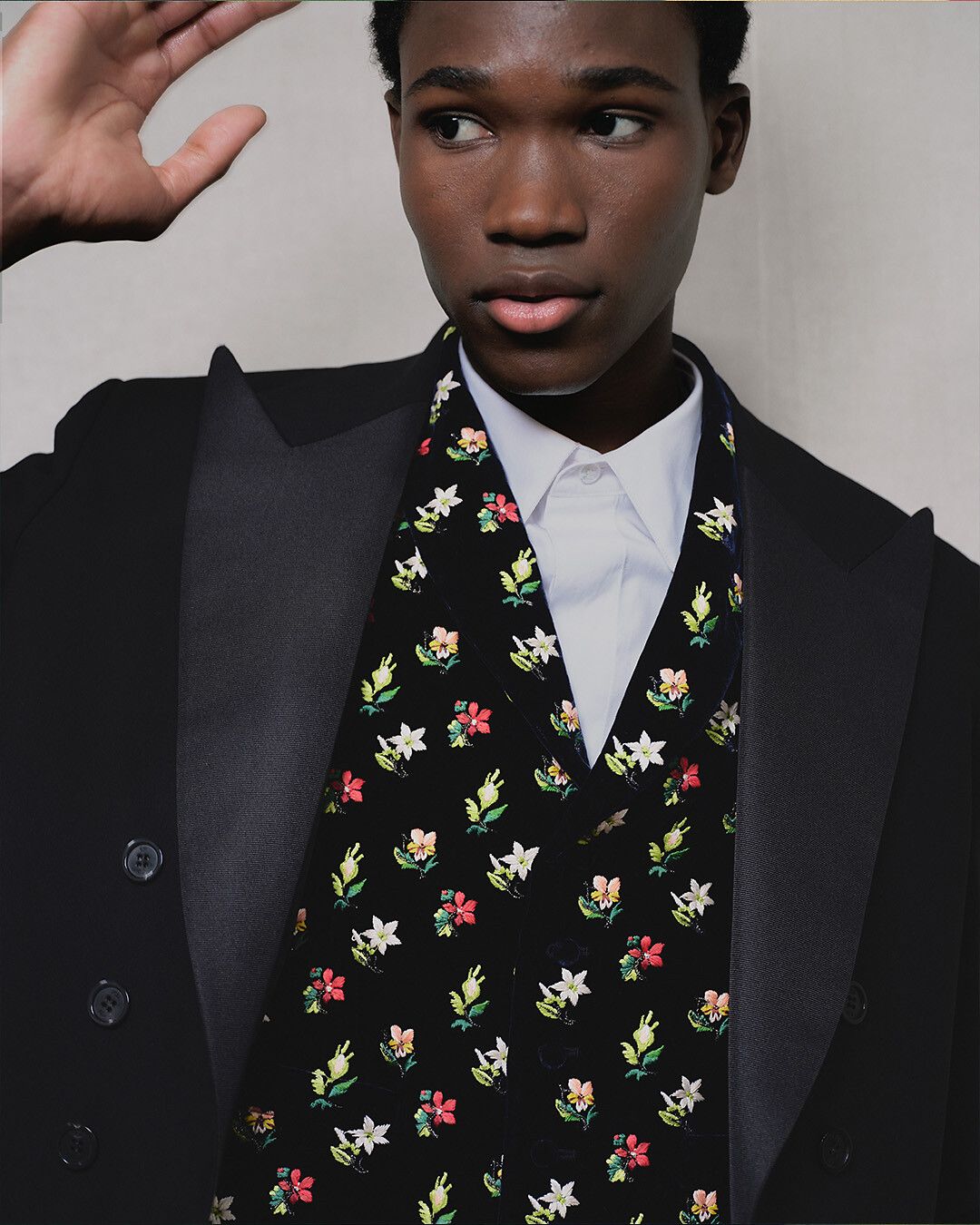
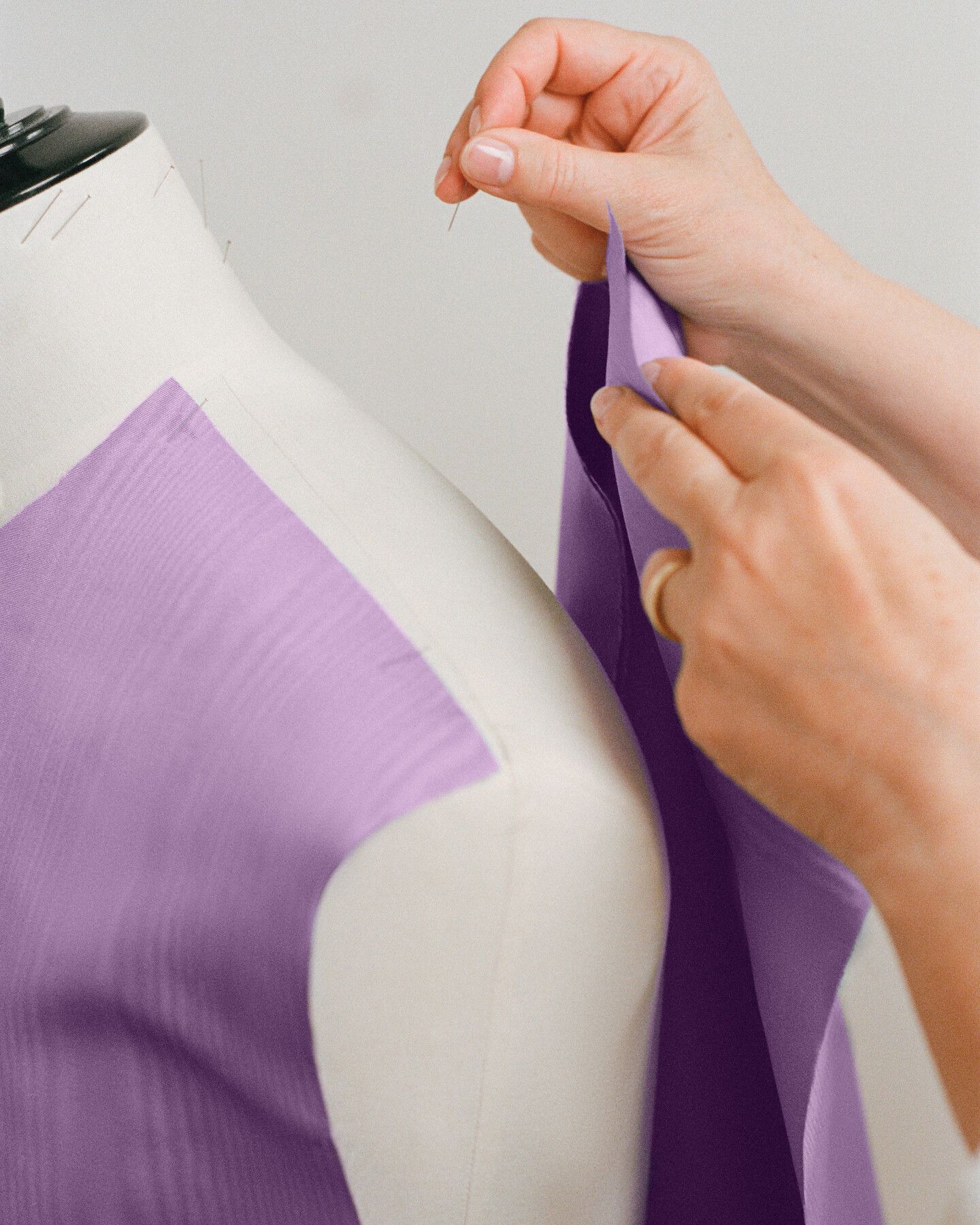
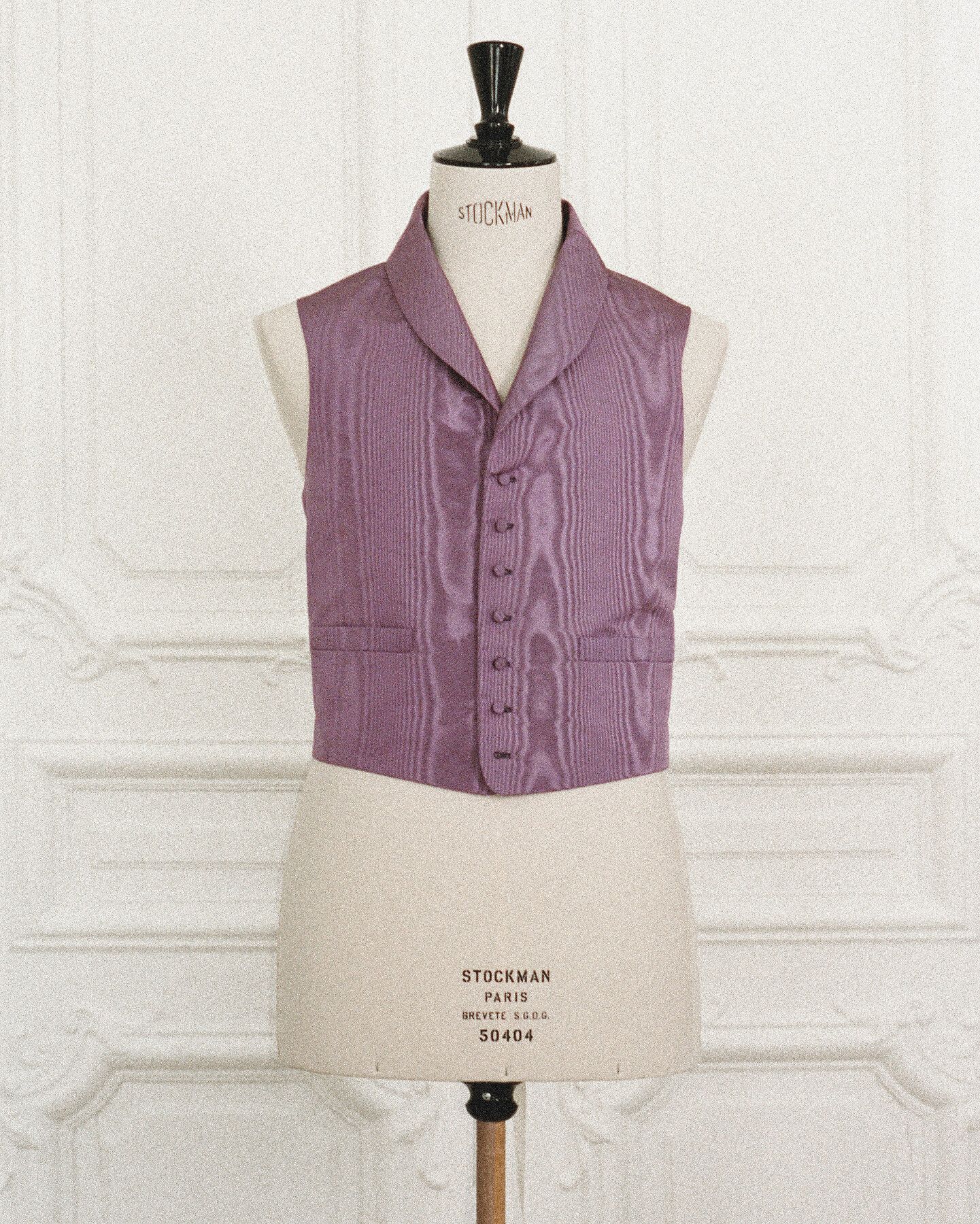
Joy in the art of dressing: a spontaneous, empathetic collusion of then and now, of relics of the past, things rediscovered in the archives, classic tropes of class, and pieces that have endured the test of time. A reconstruction of formality, Donegal tweeds and regimental neckties included, from the Bar jacket to the tailcoat and 18-19th century waistcoats reproduced as they were.
Roses, little embroideries, and Diorette charms with a rococo feel to them, because Monsieur Dior was in love with the era, as he was with British culture, of which echoes persist. The Delft, Caprice and La Cigale dresses are twisted, brought into the present and recontextualized.
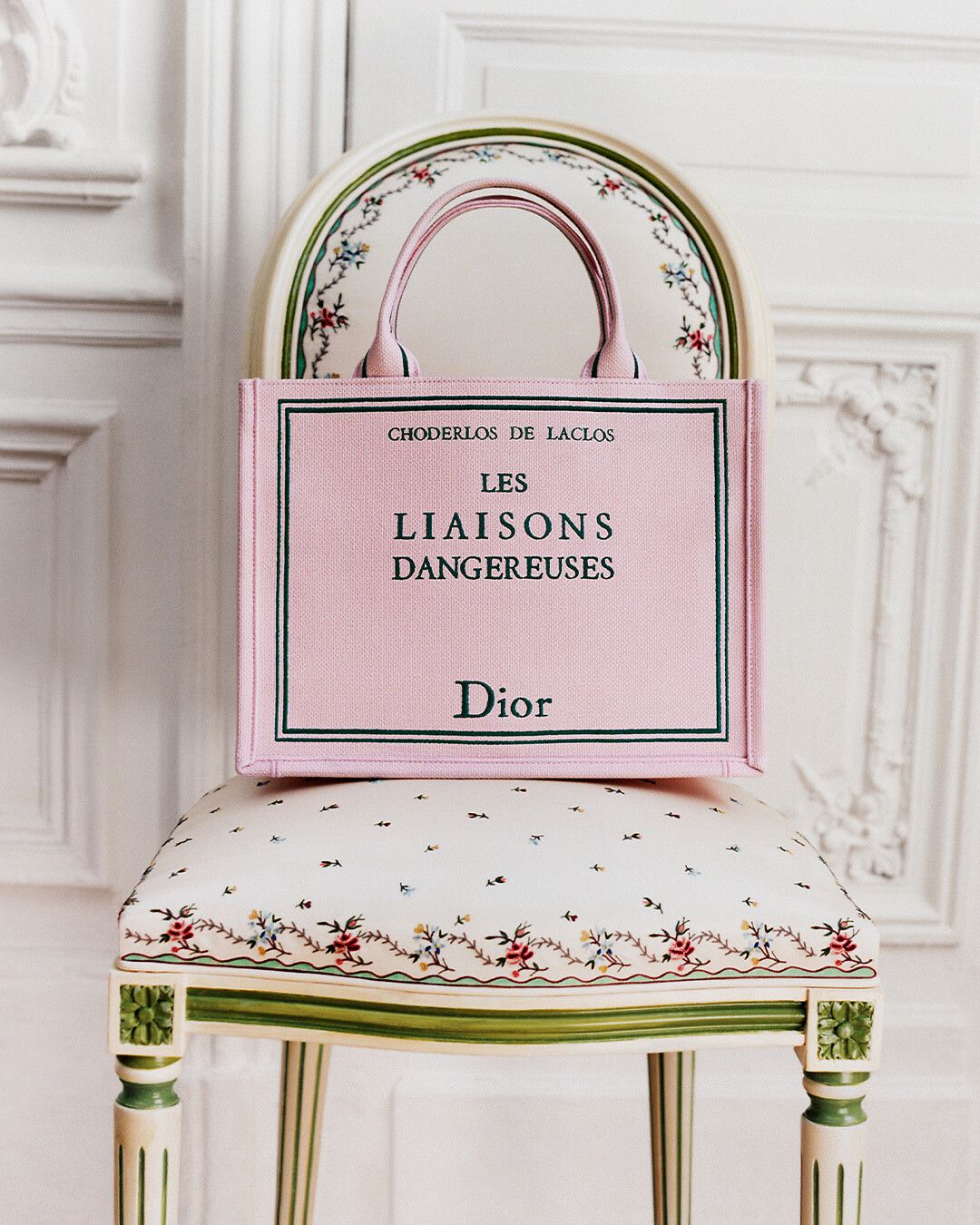
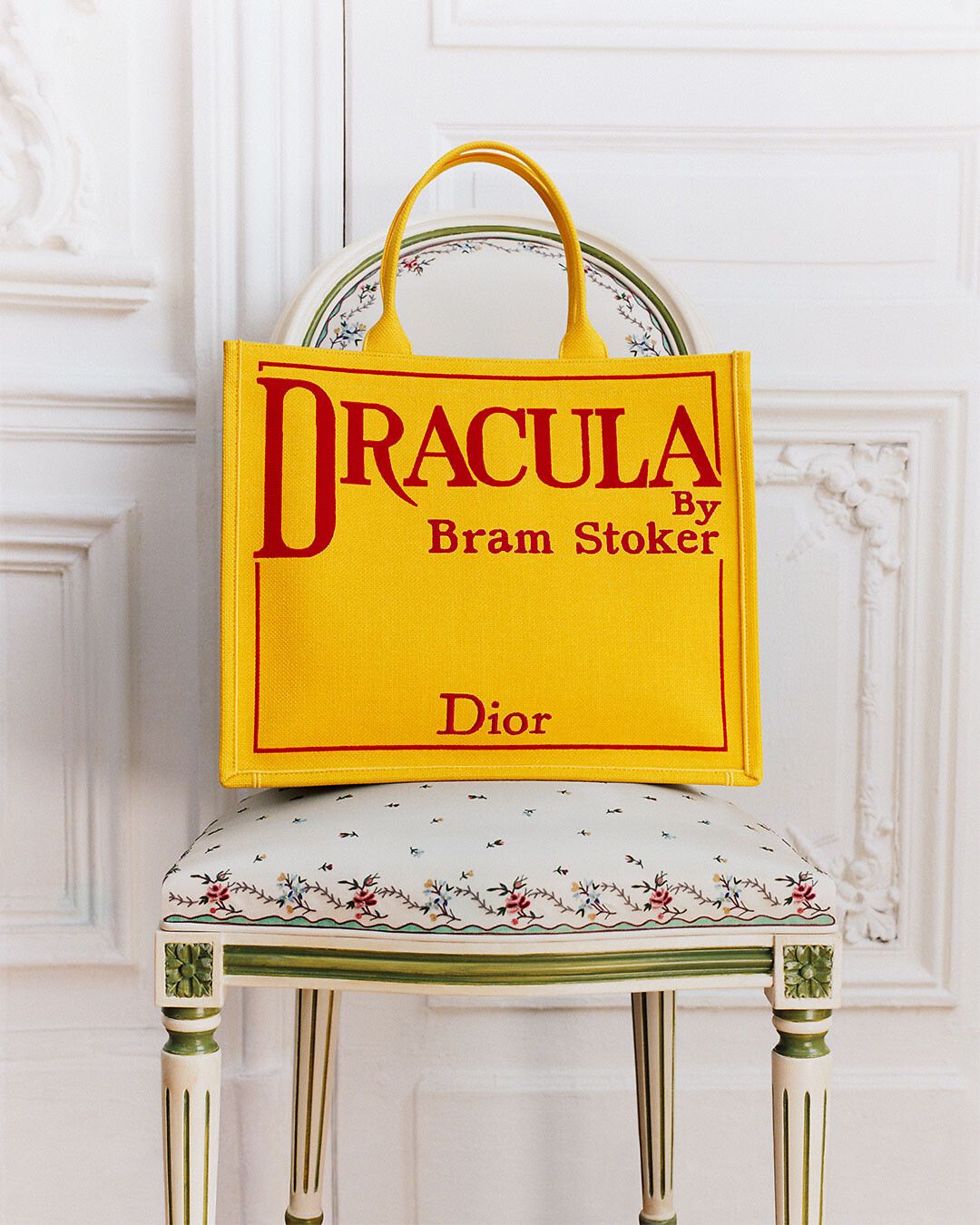
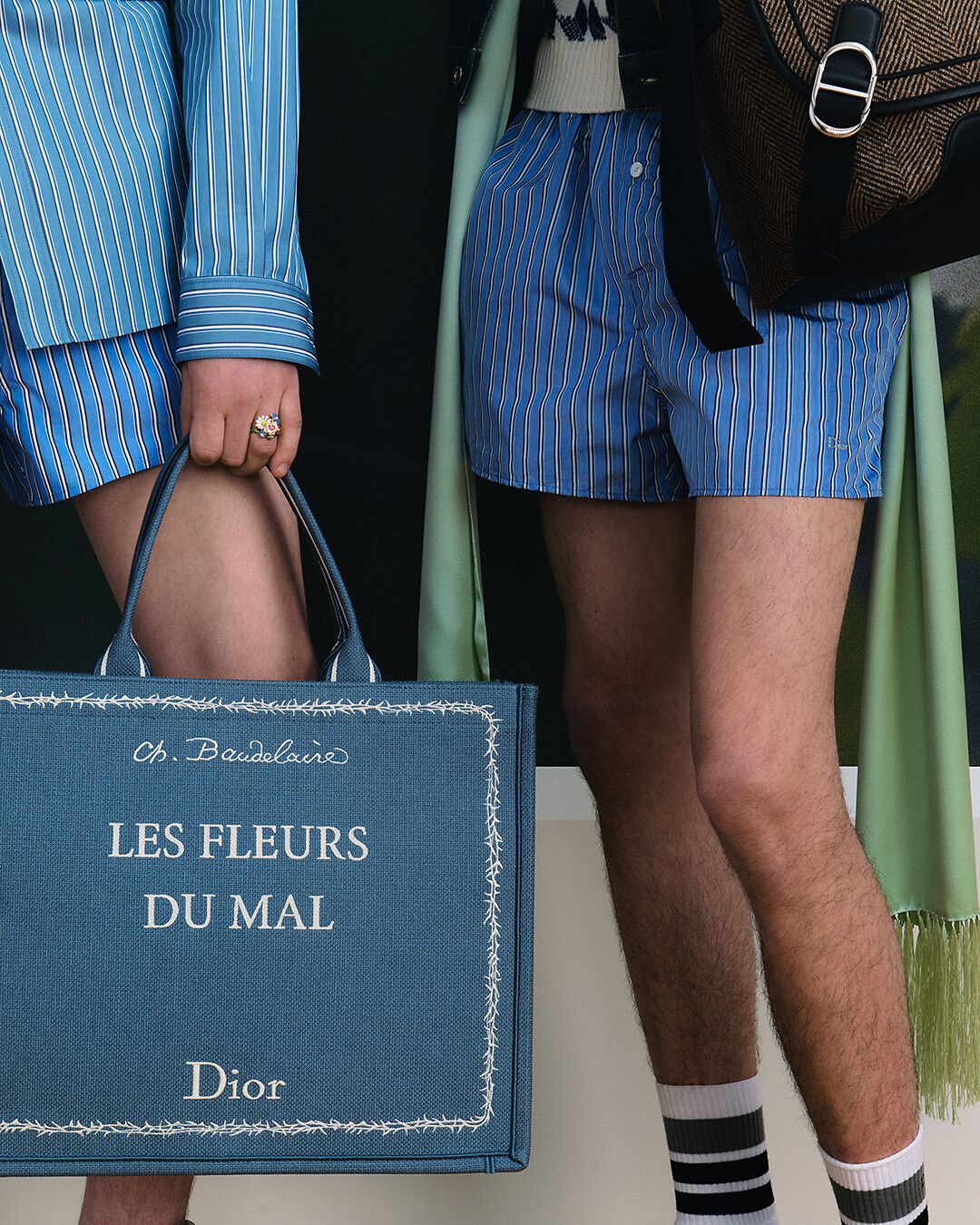
The Dior Book Tote gets book covers – including Saints Pères editions of Les Fleurs du Mal by Charles Baudelaire and In Cold Blood by Truman Capote –, while a crossbody bag pays homage to another iconic literary work: Dracula by Bram Stoker*. The Lady Dior meanwhile has been re-imagined by artist Sheila Hicks and cloaked in a nest of pure linen ponytails.
An inquiry into the unattainable and undefinable: style. Style as a way to hold oneself, a manner in creating appearances bringing together decisions that are quick and spontaneous. Dressing up to become a character, toying with clothes and the idea of the aristocrat.
Youthful spontaneity ultimately spawns an ode to the imagination: a way to reinvent oneself and the moment, looking at what is old to shape new guises, allowing empathy to define elegance.
* Bram Stoker and the Bram Stoker signature are registered trademarks of or are exclusively licensed to Bram Stoker, LLC
Looks
Dior Book Tote
Behind the Scenes
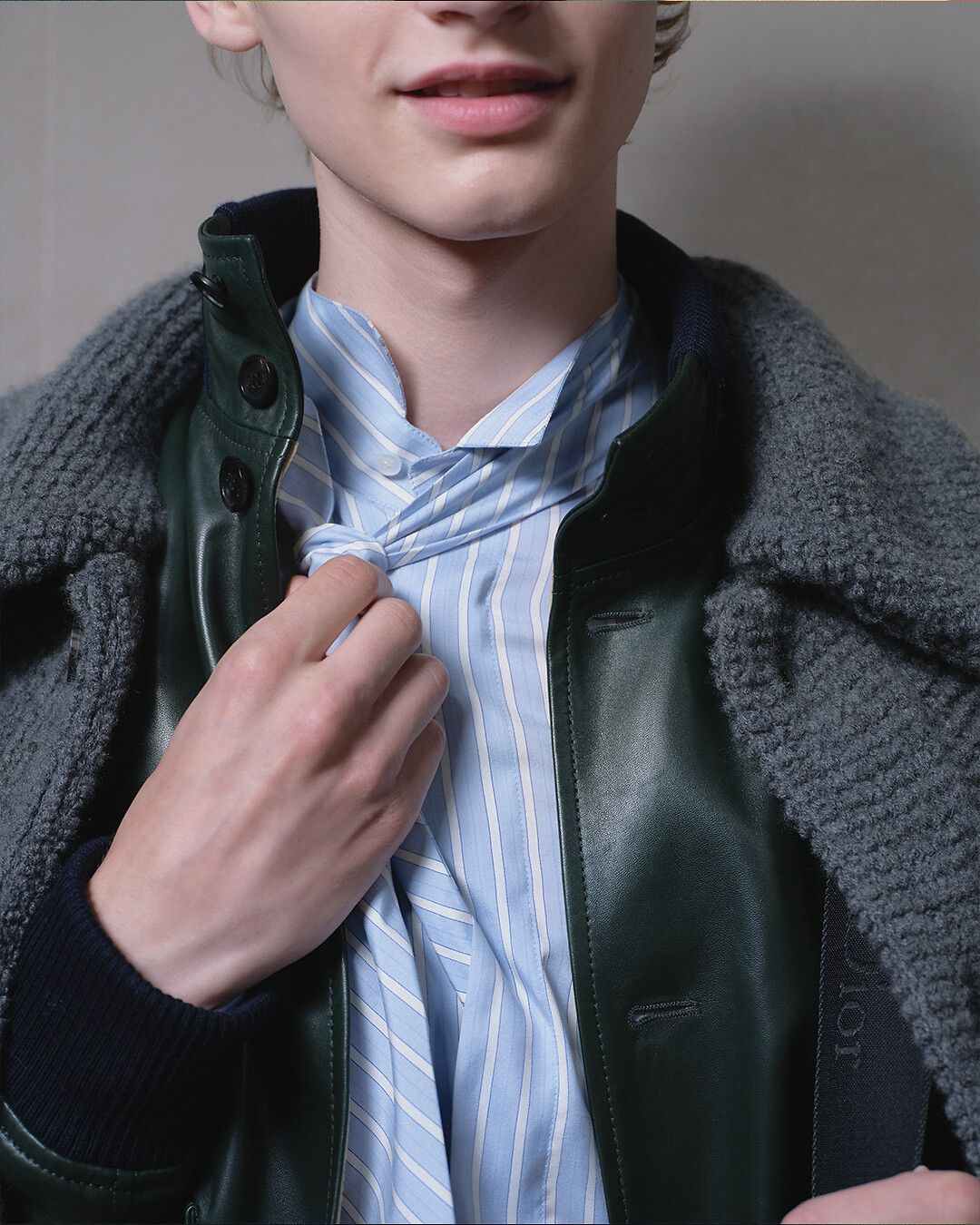
Savoir-faire
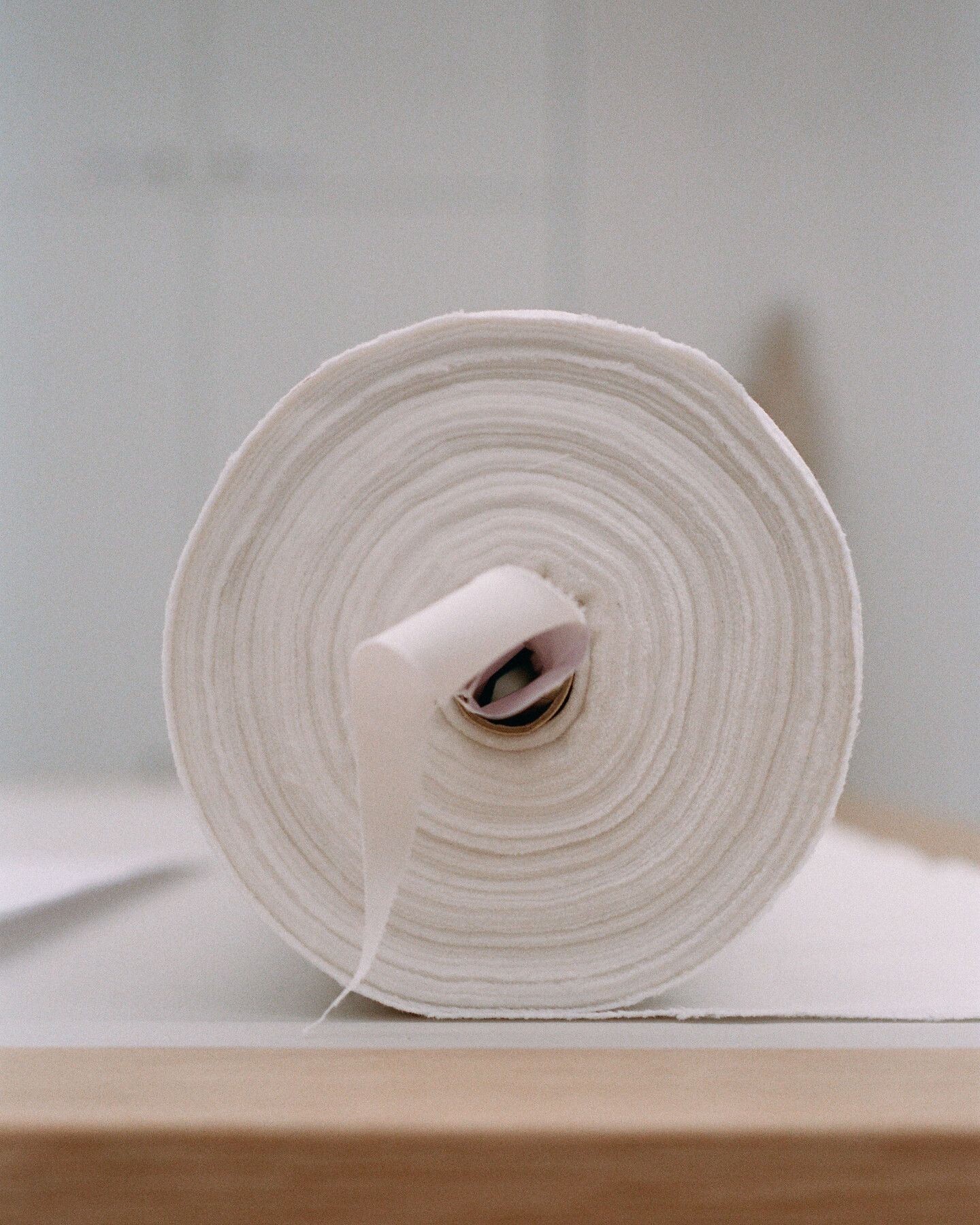
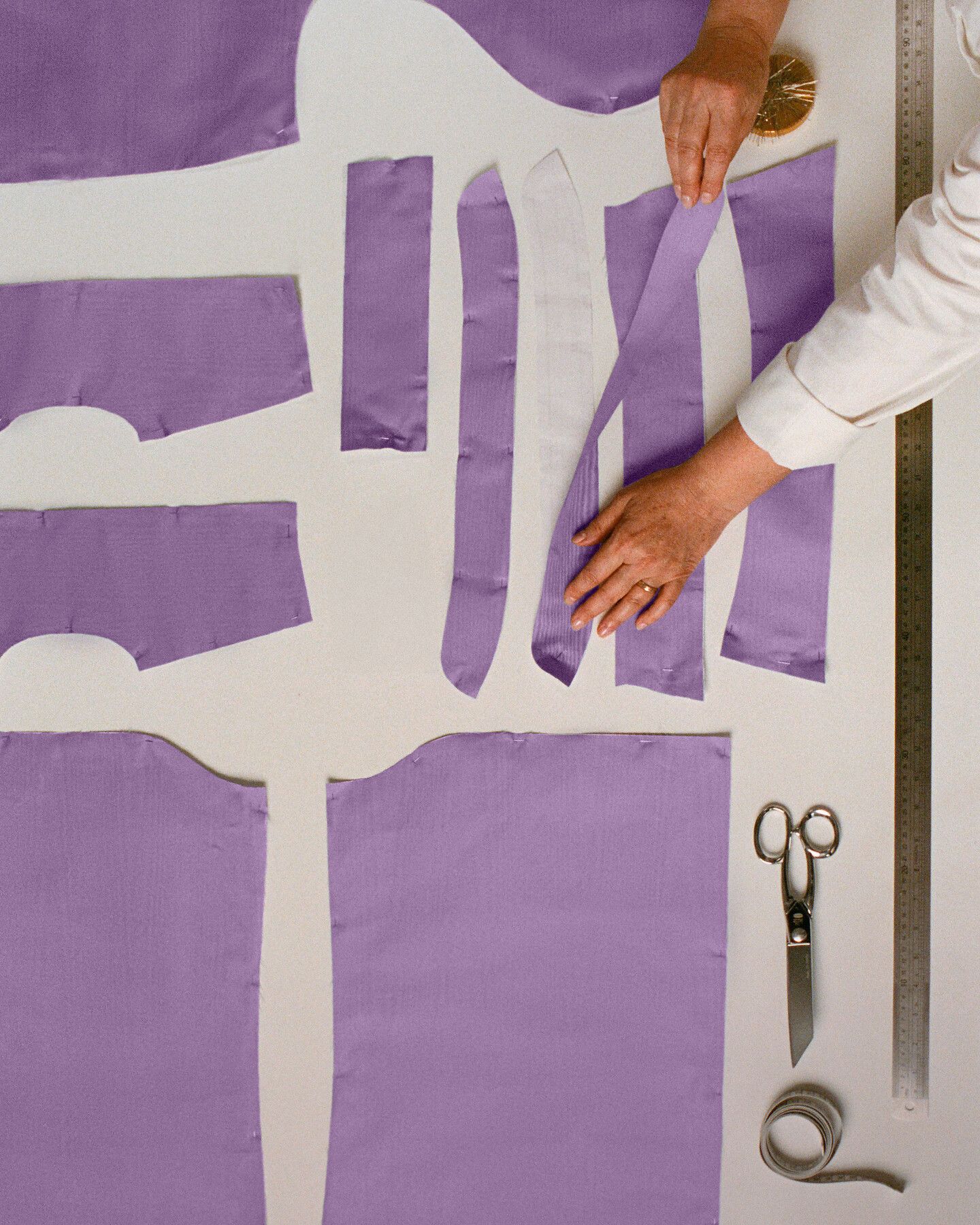
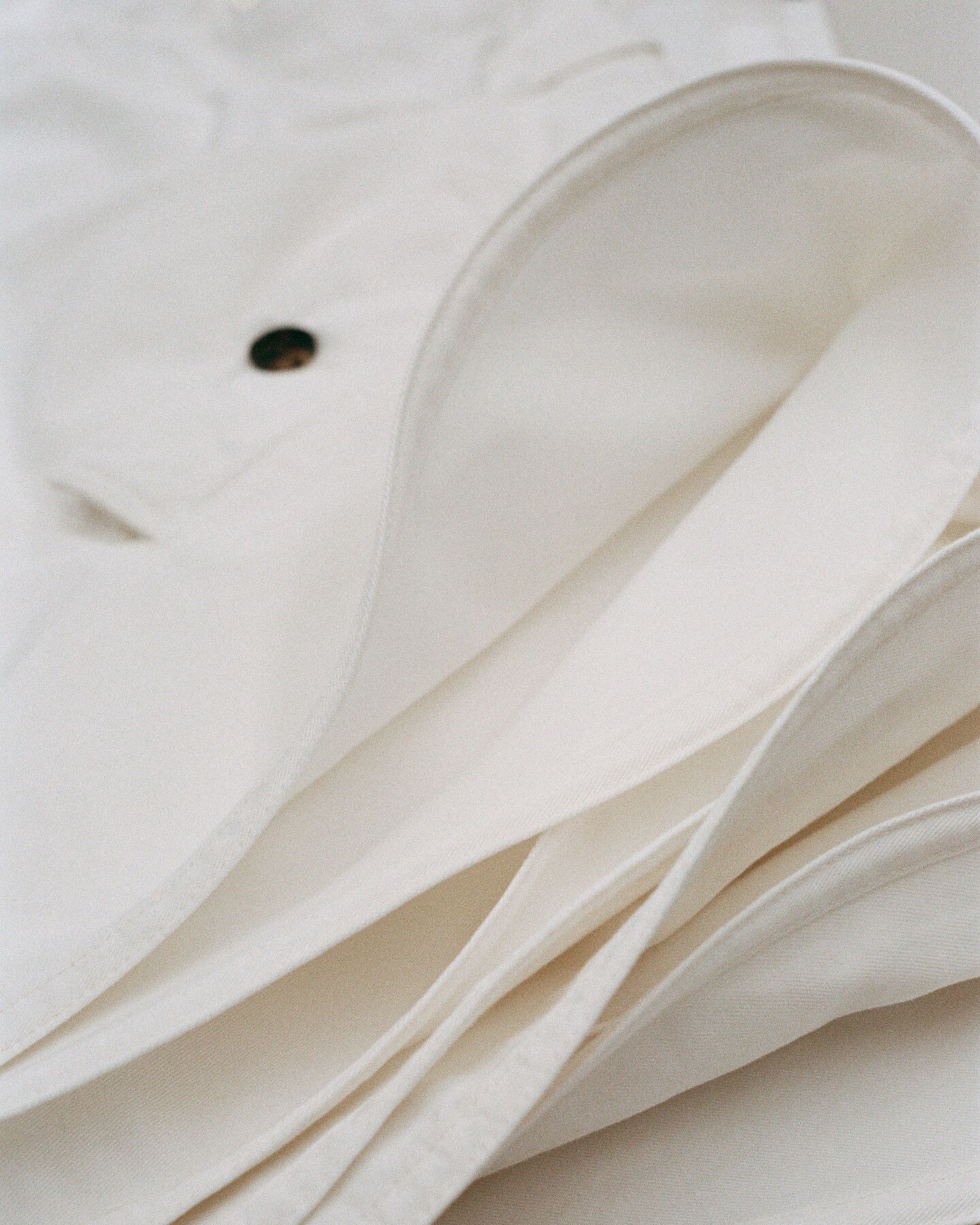
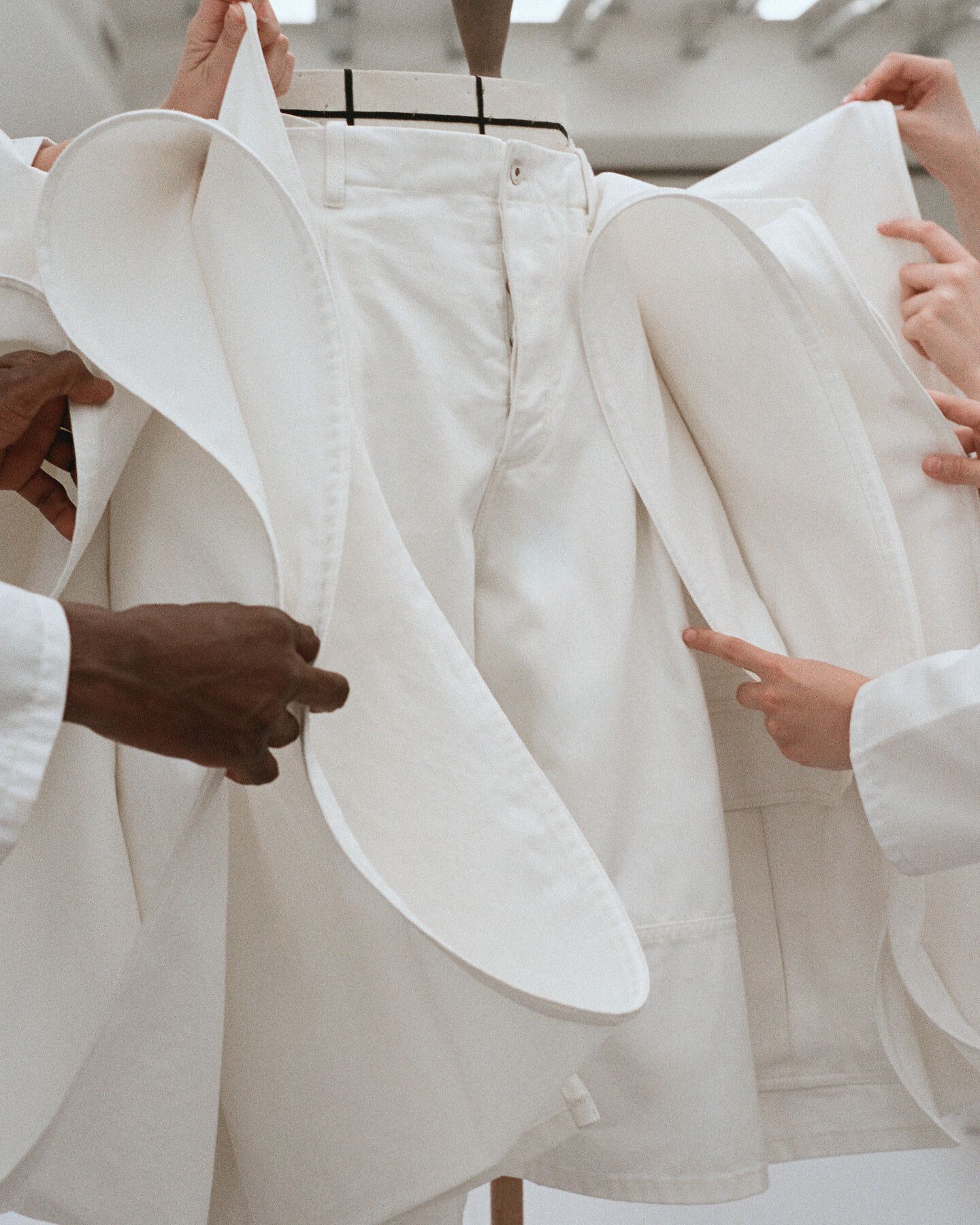
Key pieces from the new collection exemplify the House's savoir-faire, a creative dialogue between tradition and innovation.
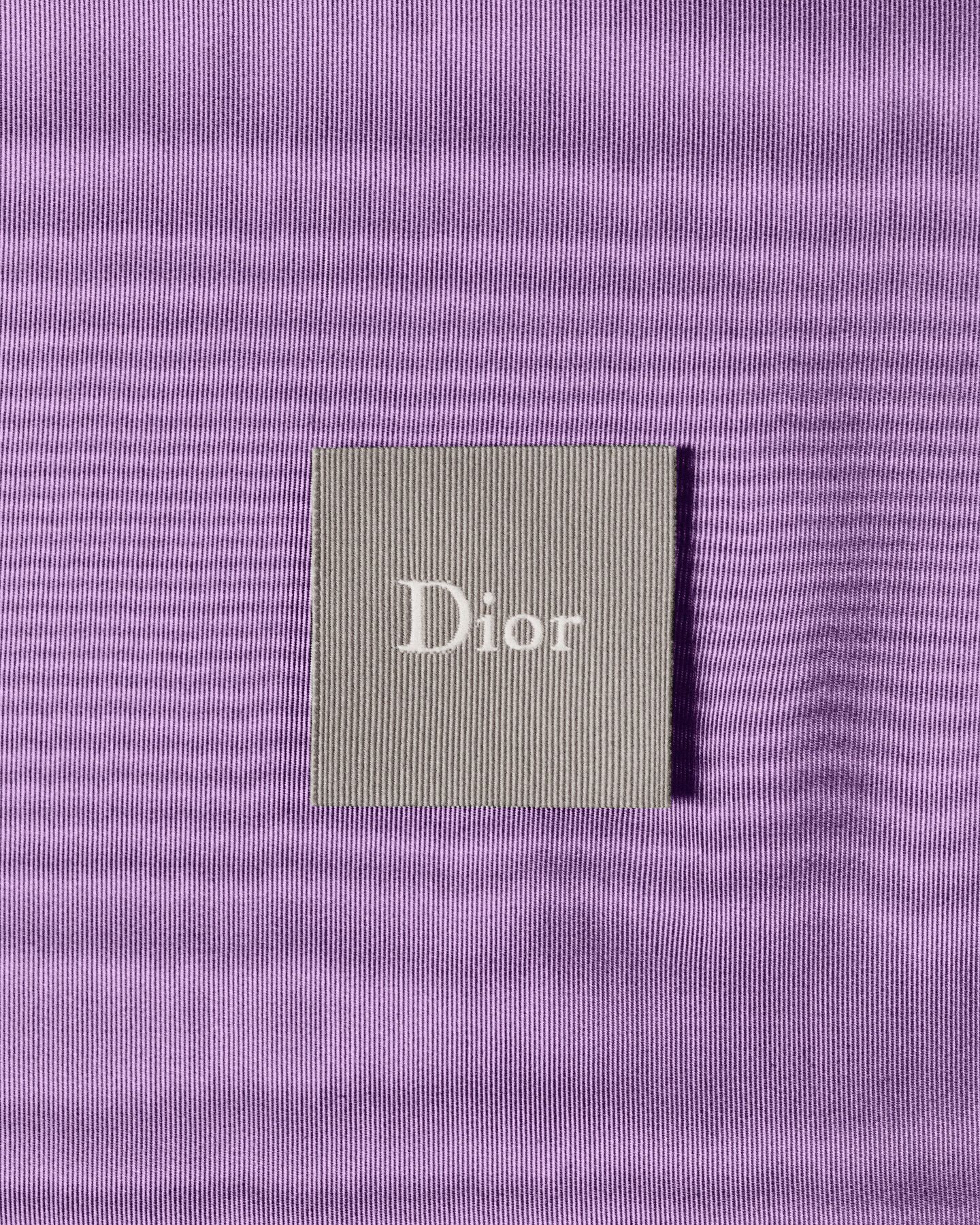
The Set
The Summer 2026 show space is modeled on the velvet-lined interiors of the Gemäldegalerie, Berlin. On the walls hang two modest yet beautiful paintings by Jean Siméon Chardin (1699-1779). At a time when art was often concerned with excess and spectacle, Chardin revered the everyday, trading grandeur for sincerity and empathy.
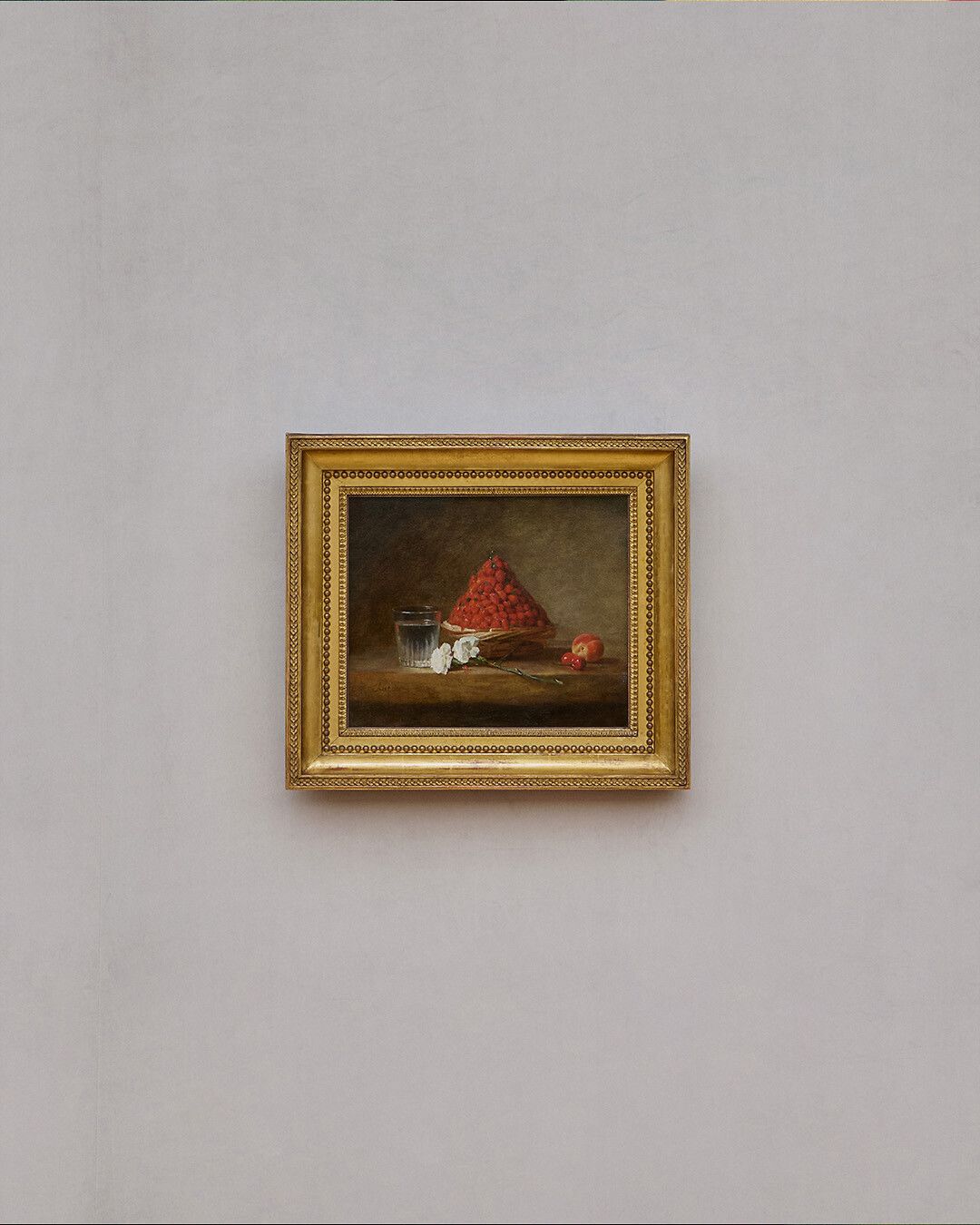
Jean-Baptiste Siméon Chardin, Basket of Strawberries (1761), Paris, Musée du Louvre, Département des Peintures
Jean-Baptiste Siméon Chardin, A Vase of Flowers (1750/60), National Galleries of Scotland
National Galleries of Scotland : "Courtesy of National Galleries of Scotland"
The National Galleries of Scotland have three galleries in Edinburgh: the National, Modern and Portrait. They house and care for Scotland’s amazing world-class art collection. Step inside and explore treasures from Botticelli and Titian to the very best modern art and contemporary portraits of pop culture icons. And, as you would expect, the world’s greatest collection of Scottish art.
A Vase of Flowers by Siméon Chardin can be seen for free at National Galleries Scotland: National which is in the heart of Scotland’s capital city Edinburgh.